
Installing an AED is the first step. Ongoing AED maintenance is what keeps it ready to use.
Electrode pads have expiry dates. Batteries deplete over time. Self-tests occasionally flag faults. Routine defibrillator servicing ensures these issues are identified and addressed before they affect AED readiness.
For Adelaide businesses managing multiple defibrillators across different sites, smart monitoring technology can simplify AED maintenance by automating the checks that would otherwise require manual inspections.
What Is Smart AED Monitoring?
Smart AED monitoring uses wireless connectivity to track defibrillator status in real time. Rather than relying solely on physical inspections, the AED communicates its condition automatically via Wi-Fi or 4G to a centralised dashboard.
Modern systems can monitor battery levels and alert you when replacement is due, track electrode pad expiry dates, report self-test results and flag faults, confirm the device location hasn’t changed, and maintain an audit trail for AED compliance records.
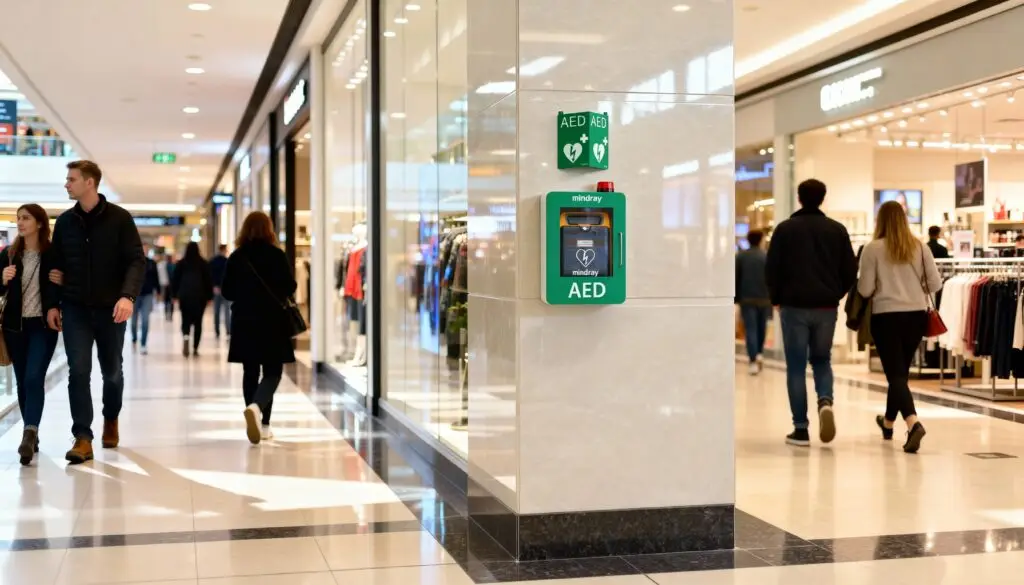
Some manufacturers build this capability directly into their devices. The Mindray BeneHeart C1A for example, is the unit installed most frequently across Adelaide by SafePulse. The device includes AED-Alert™ 2.0, which provides remote oversight, fault notifications, and expiry reminders through IoT technology.
For businesses that need to demonstrate AED readiness for compliance, insurance, or internal policy, this visibility streamlines the documentation process.
How Traditional AED Maintenance Works
Standard defibrillator servicing relies on scheduled inspections. Someone checks the device, verifies the status indicator, confirms consumables are within date, and records the result.
This approach works well when inspections happen consistently. The challenge for many organisations is maintaining that consistency over time, particularly when staff rosters change, responsibilities shift, or AEDs are located across multiple buildings, or compliance tasks fall to the bottom of the to-do list.
Smart monitoring doesn’t replace physical AED maintenance. Pads and batteries still need to be replaced when they expire. But it does provide continuous visibility between scheduled defibrillator servicing visits, so issues are identified as they arise rather than at the next inspection.
What Smart Monitoring Tracks
Most smart AED maintenance systems monitor a core set of parameters.
- Battery status is tracked continuously. You receive an alert when levels drop, allowing time to arrange replacement before the battery fails.
- Pad expiry is monitored automatically. Electrode pads typically last two to five years depending on the brand. Smart systems notify you before expiry so pads are always current.
- Self-test results are reported in real time. Most AEDs run automatic self-tests daily or weekly. If a test fails, the monitoring system flags it immediately.
- Device location can be tracked through electronic geofencing. If an AED is moved from its cabinet, the system alerts you. This is useful for devices in public or semi-public locations.
- Inspection history is maintained automatically. For South Australian businesses and properties needing to demonstrate compliance, AED maintenance records are generated without manual data entry.
How SafePulse Uses Smart Monitoring
When you choose an AED with smart monitoring capability, SafePulse manages the system on your behalf. We receive the alerts, track the data, and take action when needed.
If a battery is running low, we arrange replacement. If pads are approaching expiry, we schedule defibrillator servicing. If a self-test flags a fault, we investigate and resolve it. You don’t need to log into a dashboard or interpret status reports. We handle that and keep you informed.
This approach means you get the benefits of smart AED monitoring without the administrative overhead. Your defibrillators are maintained proactively, and you receive documentation when you need it for compliance or insurance purposes.
Our preferred AED features the Mindray AED-Alert™ 2.0 system which supports both Wi-Fi and 4G connectivity. SafePulse uses this technology to maintain oversight of your devices and ensure they’re always ready for use.
Who Benefits Most From Smart Monitoring?
Smart monitoring adds value in specific situations. For a single AED in a small office with reliable manual checks, the additional investment may not be necessary.
For other organisations, having AED maintenance managed through smart monitoring provides practical benefits.
Property managers with multiple buildings no longer need to coordinate manual inspections across their portfolio. SafePulse monitors defibrillator status on your behalf and handles any issues that arise across your entire portfolio. This is particularly relevant for Adelaide landlords and property managers with AED compliance obligations under the Automated External Defibrillators (Public Access) Act 2022.
Aged care facilities and healthcare settings operate in environments where device readiness is critical. With SafePulse managing your defibrillator servicing remotely, your staff can focus on care rather than equipment checks.
Schools and universities with AEDs distributed across large campuses benefit from knowing their devices are monitored consistently, without adding to administrative workloads during busy periods.
Gyms, sporting clubs, and recreation centres often operate long hours with rotating staff. When SafePulse handles AED maintenance through smart monitoring, device readiness doesn’t depend on who remembered to check.
Is Smart Monitoring Right for You?
Smart AED monitoring isn’t essential for every business. But for organisations with multiple defibrillators, high-traffic environments, or strict compliance requirements, having your AED maintenance managed this way removes a task from your list entirely.
SafePulse provides AED maintenance and defibrillator servicing for Adelaide workplaces and properties. If smart monitoring suits your situation, we can set this up for you at the time of installation. If a simpler approach makes more sense, we can advise on that too.
The goal is the same either way: keeping your AED ready without adding to your workload.
Want us to advise on what AED installation and maintenance package is right for your property? We are proud to service greater Adelaide and many areas across regional South Australia.