Manage a property portfolio that runs up the eastern seaboard and includes a Canberra building, and the AED picture gets lopsided fast. Your three jurisdictions — South Australia, New South Wales and the ACT — sit in three different places, and the ACT is the outlier in a way that surprises most property managers. Here’s the side-by-side, with the Canberra-specific catches called out.
The short version
South Australia has an AED law. New South Wales and the ACT don’t — both rest on general workplace safety duties. But NSW and the ACT aren’t the same, either: NSW at least has a government-run registry, and the ACT has no government AED registry at all. On official infrastructure, the ACT is the thinnest of the three.
| South Australia | New South Wales | ACT | |
|---|---|---|---|
| AED-specific law in force | Yes — AED (Public Access) Act 2022 | No | No |
| Closest legislative activity | Already law | Three Bills (all lapsed) | A 2022 motion, amended to drop the mandate |
| Mandatory for commercial buildings | Yes (600m²+ / designated) | No | No |
| Government-run AED registry | Yes (SA Ambulance) | Yes (NSW Ambulance / GoodSAM) | No |
| Triple Zero integration | Yes | Yes (via GoodSAM) | Not confirmed |
| Registration | Mandatory | Voluntary | Voluntary (via St John national register) |
| Penalties for not having one | Yes | None AED-specific | None AED-specific |
South Australia: a hard legal obligation
SA is the straightforward one, in that it’s the only one carrying a real legal requirement. The Automated External Defibrillators (Public Access) Act 2022 is in force, and the commercial compliance date of 1 January 2026 has passed. Designated facilities need a device regardless of size; relevant buildings of 600m²+ are caught; and the count scales up past 1,200m² of publicly accessible floor area.
The duty sits with the owner, and SA also mandates registration with the SA Ambulance Service, signage, and maintenance. For a portfolio, your SA buildings are where genuine audit risk lives — they’re the ones with a rule you can fail.
New South Wales: a duty of care, plus a registry
NSW has no AED Act. Three private member’s Bills were introduced across 2024 and all of them lapsed; the government didn’t adopt a mandate. So a NSW building owner’s obligation is the general first aid duty under WHS law, where the SafeWork NSW Code treats an AED as something you “may provide” after weighing electrocution risk, ambulance delay and public numbers. It’s discretionary and risk-assessed.
What NSW does have — and this is the contrast that matters for the ACT comparison — is a government-backed registry. NSW Ambulance runs the AED registry through GoodSAM, integrated with Triple Zero. Registration is voluntary, but the pathway exists and it’s tied into the emergency system. You can put your NSW device on an official map.
The ACT: the thinnest official framework of the three
The ACT looks similar to NSW on the surface — no law, WHS duty only — but it’s a step further back on almost every front.
No Act, and no Bill. The closest the ACT has come was a 2022 motion from Shadow Health Minister Leanne Castley calling for mandatory AEDs in government schools, workplaces and buses. The government amended the motion to strip out the mandate and committed only to “support” greater availability. A motion isn’t a Bill, and nothing has reached the Assembly since to mandate AEDs. The obligation is the ACT’s general first aid duty under the Work Health and Safety Act 2011 and the 2020 First Aid Code of Practice — the same discretionary, risk-assessed framing as NSW.
A split workforce. Roughly 40% of the ACT workforce is Commonwealth or territory public sector. Commonwealth agencies are regulated by Comcare under federal WHS law, not WorkSafe ACT. Comcare recommends AEDs be accessible and that staff be trained, but it doesn’t mandate installation either. So in a Canberra building you may have Commonwealth tenants under one regulator and private tenants under another — and neither regime requires an AED.
No government registry. This is the big one, and it’s where the ACT genuinely differs from both SA and NSW. The ACT does not operate a government or ambulance-run AED registry. There’s no ACT equivalent of SA’s register or NSW’s GoodSAM integration. AED locations in Canberra are tracked through St John Ambulance’s national register and the volunteer-run StreetBeat program — both non-government. The ACT’s emergency services AED page gives instructions on using a device but points to no registry, and there’s no confirmed Triple Zero integration of AED locations.
The registration wrinkle that catches Canberra out
Here’s the practical sting for a multi-jurisdiction property manager. Your standard “install and register” process works cleanly in SA and NSW — both have an official registry to put the device on. In the ACT, that step has no government home.
It doesn’t mean you skip registration. It means you register on the St John national AED register instead, which surfaces the device through the St John First Responder app. That’s the de facto ACT registry, and it’s the right place to put a Canberra device — but it’s a different system, and a portfolio process that assumes “register with the state ambulance service” will simply stall at your Canberra building. Build the St John pathway into your ACT procedure explicitly.
What this means for a multi-jurisdiction portfolio
- SA is compliance. Devices, counts, registration, signage and maintenance are legally required. Treat your SA buildings as the audit-exposed end of the portfolio.
- NSW and the ACT are duty of care. No deadline, but a real obligation in higher-risk and high-footfall buildings. Risk-assess and document the call either way.
- The ACT needs its own registration step. Don’t assume a government registry exists — it doesn’t. Use the St John national register.
- Mind the Commonwealth tenant split in Canberra. Neither Comcare nor WorkSafe ACT mandates an AED, but if you’re a landlord to Commonwealth tenants, an accessible common-area device is a clean way to discharge your own duty across a mixed-regulator building.
- Don’t import SA’s mandate language into NSW or ACT documentation. It’s wrong, and it undermines the credibility of your real SA obligations.
A practical approach
- Sort your buildings by jurisdiction. SA carries a legal obligation; NSW and the ACT carry a duty of care.
- Make SA airtight — device counts against floor area, registration, signage, maintenance.
- Risk-assess NSW and the ACT on the same three triggers, and document the decision.
- Adjust the ACT registration step to use the St John national register rather than a government system.
- Standardise the device and servicing across all three, even where the legal driver differs — one supplier and one maintenance regime is far easier to run than three.
Where SafePulse fits
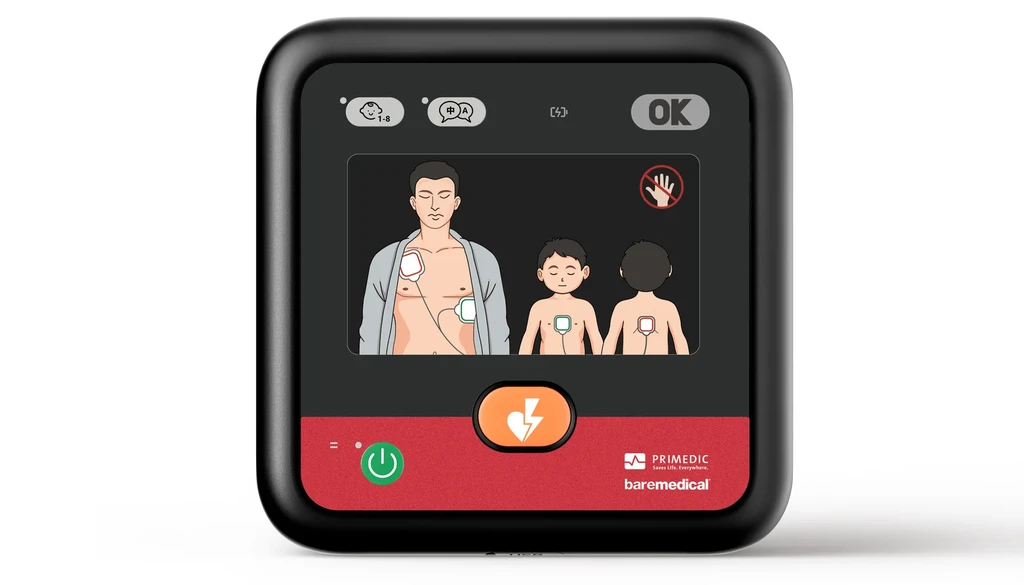
We supply, install and maintain AEDs across South Australia and interstate, so we work across all three of these frameworks. For your SA buildings we handle compliance end-to-end. For your NSW sites we register through GoodSAM. For your Canberra buildings we use the St John national register — the right pathway for a jurisdiction with no government registry — and keep every device on one maintenance schedule regardless of which state it sits in.
Each jurisdiction has its own detail worth reading: the ACT position, the NSW WHS duty, and what the SA AED laws mean for landlords and property managers. Our ACT AED page covers the territory in full.
If your portfolio spans the eastern states and the ACT and you want one honest AED standard that respects what each jurisdiction actually requires, get in touch at safepulse.com.au/act/.