AED guidance, compliance, and the practical stuff.
Honest, plain-language guides for property managers and business owners. SA Act updates, WHS duty across the other states, and the day-to-day of running a workplace AED program.

Introducing myPAD: A Compact AED Built to Go Where the Risk Is
Most of what we install goes on a wall and stays there. But a lot of work doesn't happen inside a building. It happens in a ute, on a job three hours from town, at a weekend event in a park, in a clinic room barely big enough for the chair. myPAD is our answer to that, and it is now live in the shop.
Read article arrow_forward
Melbourne Retail and Shopping Centres: Footfall and the Reasonably Practicable Test
Victoria has no law requiring a defibrillator in a shopping centre. No Act, and no Bill has ever been tabled in the Victorian Parliament on the subject. What Victoria has instead is a test. And large retail is about the hardest place in the state to argue your way out of it.
Read article arrow_forward
AEDs in NT Aged Care: Federal Regulation, Territory Duty, and the Distance in Between
Residential aged care sits under two rulebooks at once, and neither of them mentions a defibrillator. The federal framework governs the care. The Territory's work health and safety law governs the workplace. An aged care home in Katherine has to satisfy both, and the thing that decides whether a defibrillator makes sense isn't in either document. It's the drive time to the nearest ambulance.
Read article arrow_forward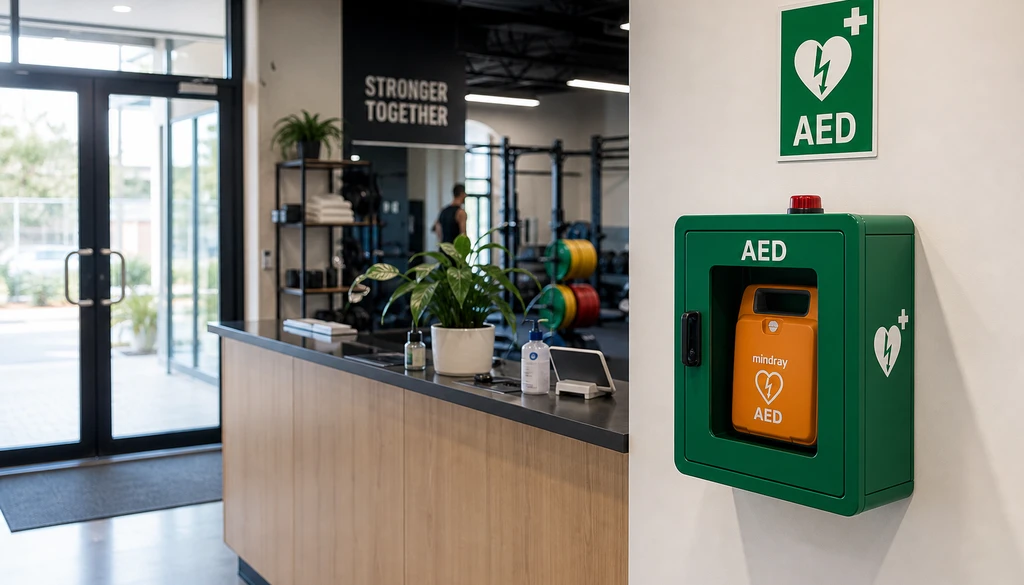
AEDs in Queensland Gyms and Fitness Centres: Exertion and the WHS Duty
Queensland doesn't require a defibrillator in a gym. There's no Queensland AED Act, no Bill before Parliament, and failing to install one isn't an offence in itself. Cross the border into South Australia and the same business is legally required to have one. Same equipment, same members, same risk. Different postcode, different answer.
Read article arrow_forward
The 100-Metre Rule: When Two Buildings Become One "Relevant Facility"
There's a line in South Australia's defibrillator Act that almost nobody applies, and it's the one that decides whether a site with several buildings on it is treated as several buildings or as one. It matters because the number of defibrillators you need is worked out per building or facility. Get the unit of measurement wrong and the count comes out wrong too, usually in the direction that leaves you short.
Read article arrow_forward
Sydney Retail and Shopping Centres: The Public-Footfall Case for AEDs
A shopping centre is one of the few building types where the argument for a defibrillator doesn't need much construction. Thousands of people through the doors, a weekday crowd skewed older than almost any other commercial setting, and internal distances long enough that where you put the device matters as much as whether you have one.
Read article arrow_forward
Is Your Building Actually Exempt? The SA AED Act's Out-of-Scope List
Most of the calls we get about South Australia's defibrillator law are people trying to work out whether they're in scope. Almost nobody rings to ask how to comply. They ring to ask whether they have to. That's a fair question, and the Act does answer it — but there's a trap in the middle of the exemption list that catches owners who read half of it and stop.
Read article arrow_forward
Charter Boats, Dive Operators and Marine Tourism in Tasmania
Every argument for a defibrillator eventually comes down to one number: how long between someone collapsing and a shock being delivered. On land, that's a question about ambulance response. On a boat off the Tasman Peninsula, it isn't a response time at all. It's a return leg.
Read article arrow_forward
Construction and Electrical Trades in WA: The Electrocution Trigger
Of the three things that are supposed to make you stop and think about a defibrillator, construction sites and electrical work tick the first one outright. Not as a stretch, not as a marketing angle — it's the example the regulator leads with.
Read article arrow_forward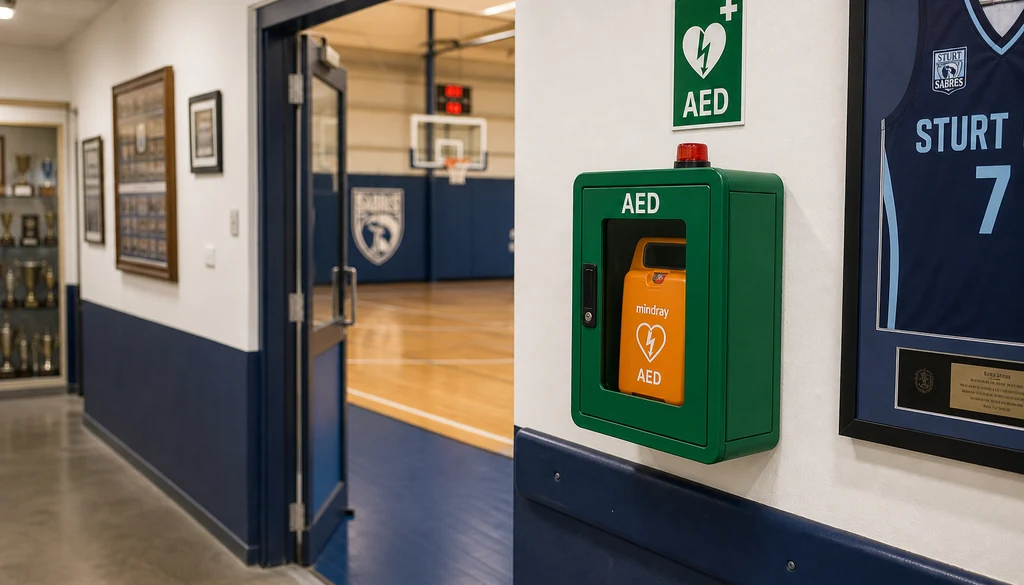
Funding an AED for Your Canberra Sporting or Community Club
Canberra is about to become one of the first cities in the world with a publicly accessible defibrillator in every suburb, which is why club committees keep asking us whether they can get one funded. The answer is yes, probably — but not through the route most people assume. There is no ACT Government defibrillator grant. Here's the honest map of what's actually available.
Read article arrow_forward
Pastoral Stations and Station Stays: Isolation, Heat and the AED Case
There's a number worth knowing on any Territory station, and most people have never worked it out properly: how long from a Triple Zero call at your homestead to a paramedic putting hands on a person. Out on the Barkly that's frequently hours, and often involves an aircraft. For nearly every hazard that's a logistics problem you already manage. For cardiac arrest it's the whole problem.
Read article arrow_forward
Queensland Schools and the Voluntary AED Case (and Why South Australia Is Different)
Every so often a school business manager rings us after reading something about defibrillator laws and wants to know whether their school is now non-compliant. Almost always, what they've read is about South Australia — where schools are named in legislation. In Queensland, no school is legally required to have one. But "not required" and "not warranted" aren't the same thing.
Read article arrow_forward
Agriculture and Pastoral WA: Isolation, an Ageing Workforce, and the AED Case
Most workplace safety conversations start with the hazard. On a Western Australian farm or station, the more useful place to start is the drive — how long an ambulance would take to reach your machinery shed, your shearing shed, your back paddock. For most farm hazards that distance is a serious inconvenience. For cardiac arrest it's the entire problem.
Read article arrow_forward
Where Should You Place an AED in Your Building?
Placement is the decision that determines whether a defibrillator ever gets used. The rule that actually matters is the round trip — someone has to reach the device and get back inside a few minutes. Here's how to work that out for a real building, floor by floor.
Read article arrow_forward
AED Maintenance Requirements in Australia: What's Actually Required, State by State
Almost every AED I've opened up that failed a check failed for one of two reasons: the pads were out of date, or the battery was flat. Not a fault, not a defect — just a device nobody had looked at since the day it went on the wall. Here's what Australian law actually asks of you on maintenance, which changes depending on which state you're standing in, and what the manufacturer's instructions really mean in practice.
Read article arrow_forward
Regional Queensland and Ambulance Delay: The AED Case for Cairns, Townsville and the Far North
Queensland is the reason "call an ambulance" means different things in different postcodes. In central Brisbane it means help is close. West of Mount Isa it means help is coming, over distance, on roads that may not be cooperating. For most hazards distance is an inconvenience — for cardiac arrest it's the whole problem, and that's why the AED conversation reads differently up north.
Read article arrow_forward
Funding an AED for Your Tasmanian Sporting Club: What's Actually Available
Tasmania has done better than most states at getting defibrillators into community hands — more than 1,300 are registered statewide, many of them grant-funded. Which is why club committees keep asking whether they can get one funded. The honest answer, as at late July 2026, is that both headline grant routes are currently closed. Here's the real state of play and what's still worth applying for.
Read article arrow_forward
Common Victorian AED Mistakes (and How to Avoid Them)
Most of the AED problems we find in Victorian buildings aren't caused by people ignoring the rules — they're caused by people misreading them. Either they've assumed Victoria has no AED obligations at all, or they've assumed Victoria works like South Australia. Both are wrong, and they produce different failures. Here are the ten we see most, and what to do instead.
Read article arrow_forward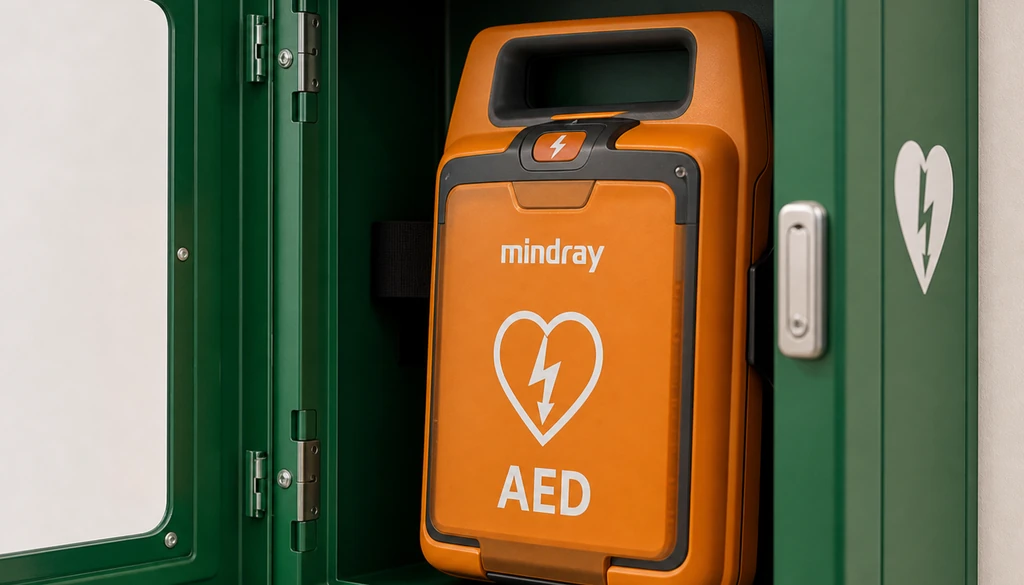
Why We Install Mindray AEDs in NSW Workplaces
If you're putting a defibrillator into a NSW commercial building, the brand on the wall matters as much as where you hang it — it has to work the first time it's ever switched on, in the hands of someone who's never used one. Here's why we install Mindray across the sites we look after, framed for a market where there's no law forcing your hand and the decision is yours to make well.
Read article arrow_forward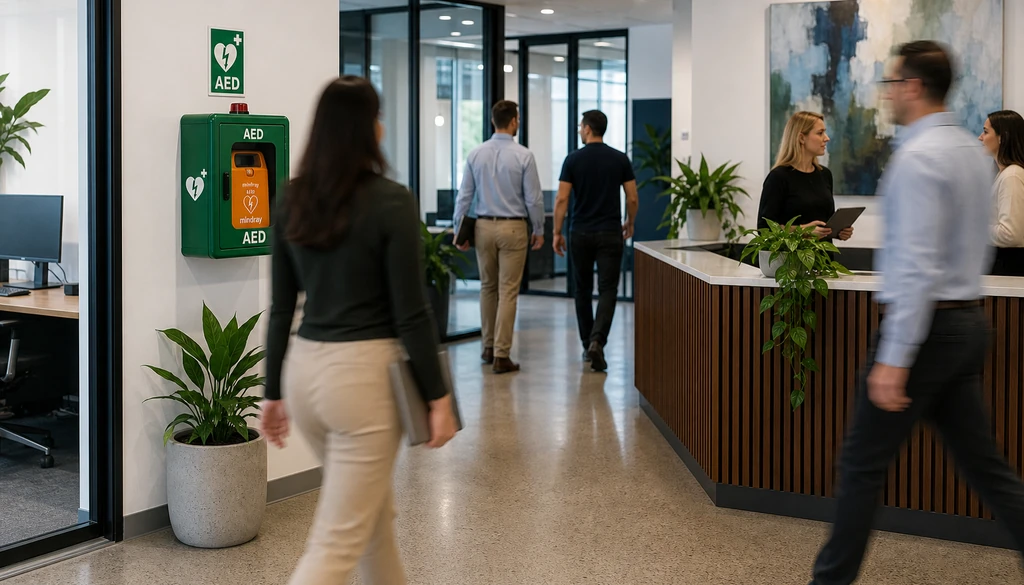
AEDs for NT Tourism Operators: Kakadu, Litchfield, Uluru and Katherine
A visitor collapses at a Kakadu campground in build-up season. It's 38 degrees, the nearest ambulance is a long way off, and the only thing that can restore a heart in a fatal rhythm is a defibrillator that's on site and working. That's the reality NT tourism operators plan around — no law tells you to have an AED, but remote location, visitor numbers and Top End heat make the case about as strong as it gets.
Read article arrow_forward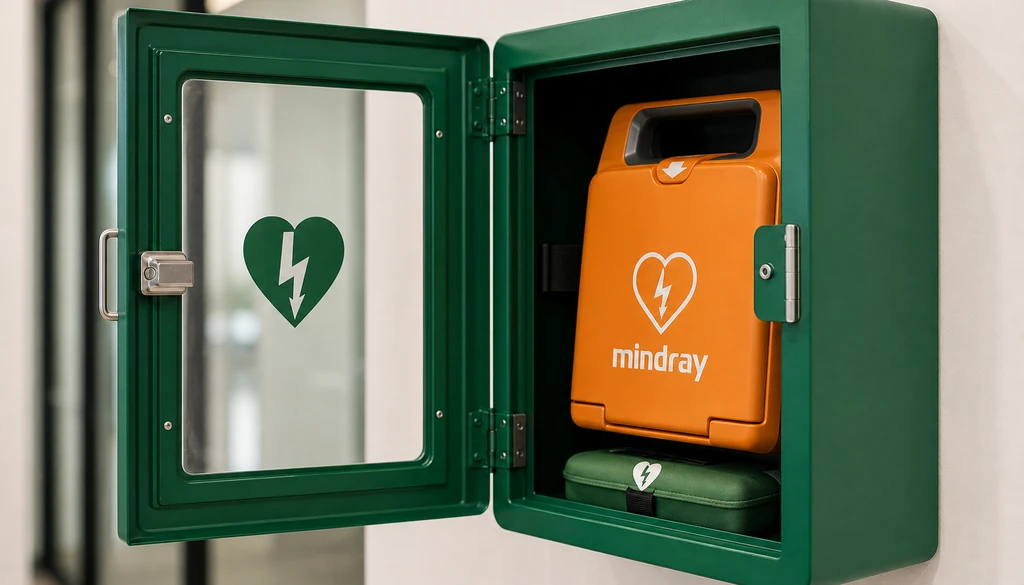
Why We Install Mindray AEDs in Victorian Workplaces
A defibrillator has to work perfectly the first time it's ever used, operated by someone who's never touched one — get the brand wrong and you've hung a liability on the wall instead of a lifeline. Here's why we standardise on Mindray for the Victorian sites we install at, framed for a state where the law doesn't require an AED but your OHS duty means you should ask the question anyway.
Read article arrow_forward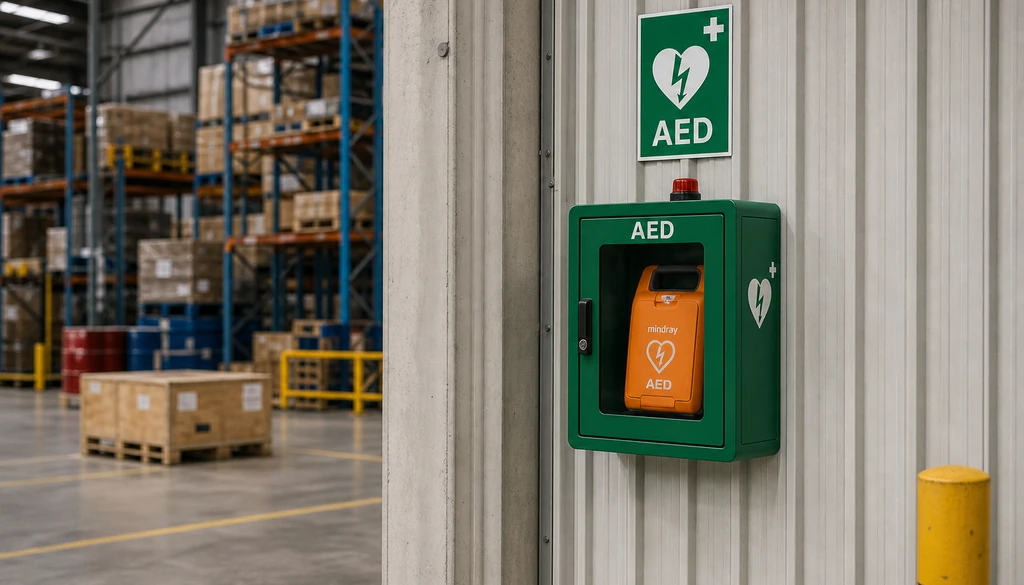
FIFO Camps and Remote Work Sites: The AED Case for WA's Resources Workforce
Put a cardiac arrest in a Perth office and paramedics are minutes away. Put the same cardiac arrest at a camp in the Pilbara and 'minutes' isn't the unit of measurement any more — it's hours, or an aerial evacuation. That gap is the whole reason to think hard about defibrillators on WA's remote sites, even though no law requires one.
Read article arrow_forward
AEDs in ACT Aged Care and Retirement Villages: Federal Regulation Meets WHS Duty
Aged care is the setting where the case for a defibrillator barely needs arguing — yet in the ACT, nothing actually requires one. Two regulators shape the decision and neither mandates the device by name. Here's how the territory's WHS duty and the federal Aged Care Act 2024 fit together, and why the case is still strong.
Read article arrow_forward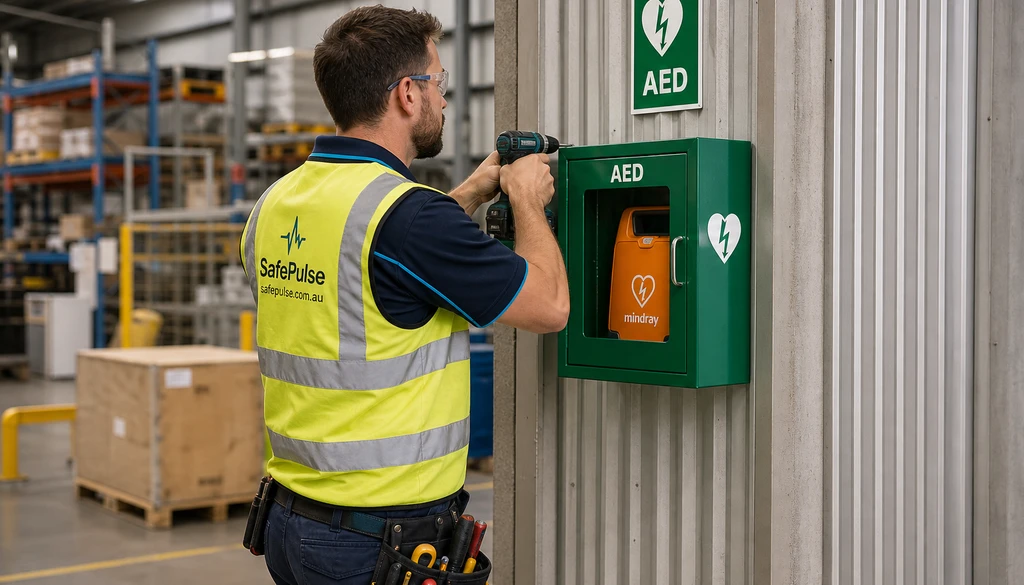
Construction and Electrical Trades in Queensland: The Electrocution WHS Trigger for AEDs
Queensland doesn't require an AED on a construction site or in an electrical trade — no Act, no bill before parliament. But the state's own first aid guidance names electrocution risk as a reason to consider one, and construction and electrical work sit right in the middle of it. The honest case, plus the QLD registration quirk worth knowing.
Read article arrow_forward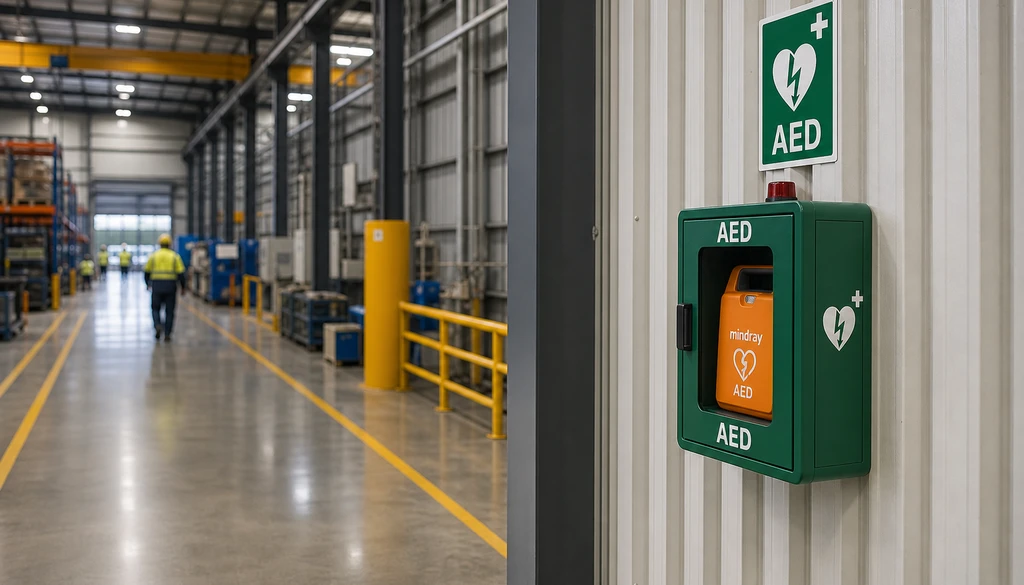
AEDs in Industrial Workplaces: Why Electrocution Risk Tips the Scale in Victoria
Victoria has no law requiring an AED in an industrial workplace — no Act, no bill, no deadline. But on a site where people work around electricity, the honest 'should you have one?' question turns into a fairly clear yes. Electric shock can stop a heart, a defibrillator is what restarts it, and the OHS duty you already carry does the rest of the work.
Read article arrow_forward
Common SA AED Compliance Mistakes (and How to Avoid Them)
South Australia's AED law has been fully in force since 1 January 2026, and most owners have heard of it. What surprises people isn't the law — it's discovering they've done the wrong thing while thinking they were compliant. Here are the mistakes that come up again and again, and how to check your own building against each one.
Read article arrow_forward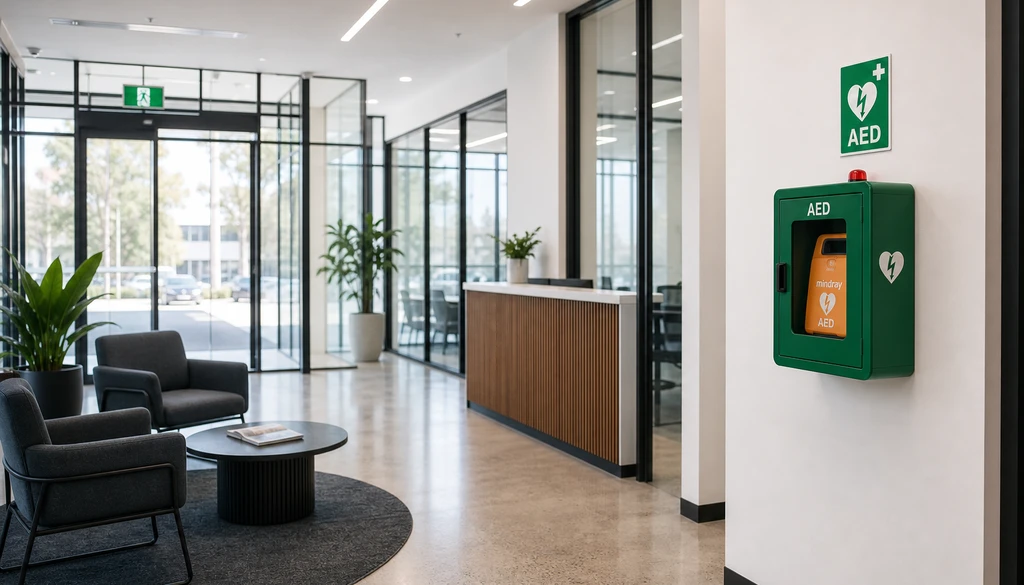
AEDs in NSW Hotels and Hospitality: A Risk-Based Approach
A hotel lobby at check-out, a pub packed for the football, a function room mid-wedding. No NSW law requires a defibrillator in any of them — but between the crowds, an older-skewing demographic and the minutes before an ambulance arrives, hospitality is close to a textbook fit for the risk the SafeWork Code describes. The honest position, and what good looks like.
Read article arrow_forward
SA AED Compliance for Aged Care Facilities
Everywhere else in the country, an AED in aged care is a good idea backed by a duty of care. In South Australia it's the law — and it works differently to the way it does for an office or a shopping centre. Here's how the SA Act treats aged care, the public-access exemption unique to it, and how the state rules sit alongside the federal ones.
Read article arrow_forward
Tasmanian Schools and Early-Childhood: The Voluntary AED Case
Cross into South Australia and every school is legally required to have a defibrillator. In Tasmania, not one is — same devices, same risk, very different rulebook. Here's the honest picture: what the WHS duty does and doesn't ask of a Tasmanian school, why the case is still strong, and how the funding routes actually work.
Read article arrow_forward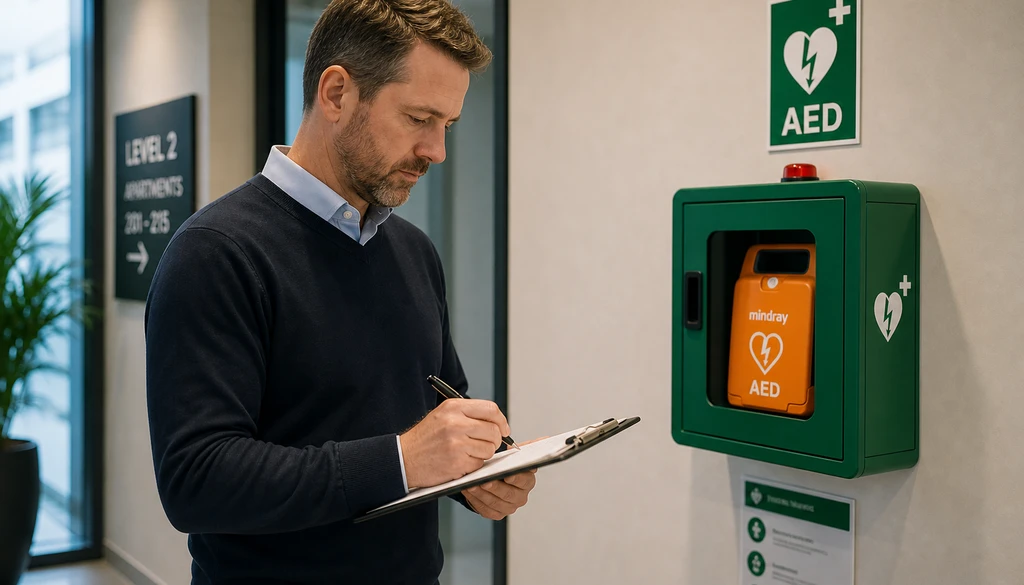
AEDs in WA Aged Care: Federal Regulation Meets WA WHS Duty
Aged care is the setting where the case for a defibrillator barely needs arguing. In Western Australia, though, two regulators shape the decision and neither strictly mandates the device. Here's how the WA WHS duty and the federal Aged Care Act 2024 fit together, why regional distance sharpens it, and why registration runs through St John WA, not GoodSAM.
Read article arrow_forward
Alice Springs Commercial Property: A Practical AED Guide for the Centre
Alice Springs is its own kind of commercial market — a real town centre a long way from anywhere, in a climate that runs from 40-degree afternoons to freezing nights. For property managers in the Centre, those two facts — distance and heat — shape the AED conversation more than any law does.
Read article arrow_forward
Gold Coast and Sunshine Coast Tourism Venues: The AED Case for High-Footfall Hospitality
A theme park on a school-holiday Saturday, a surf club packed for Sunday lunch, a beachfront resort at full occupancy. No Queensland law requires a defibrillator in any of them — but for coastal tourism and hospitality operators, the WHS case stacks up about as cleanly as it does anywhere in the state.
Read article arrow_forward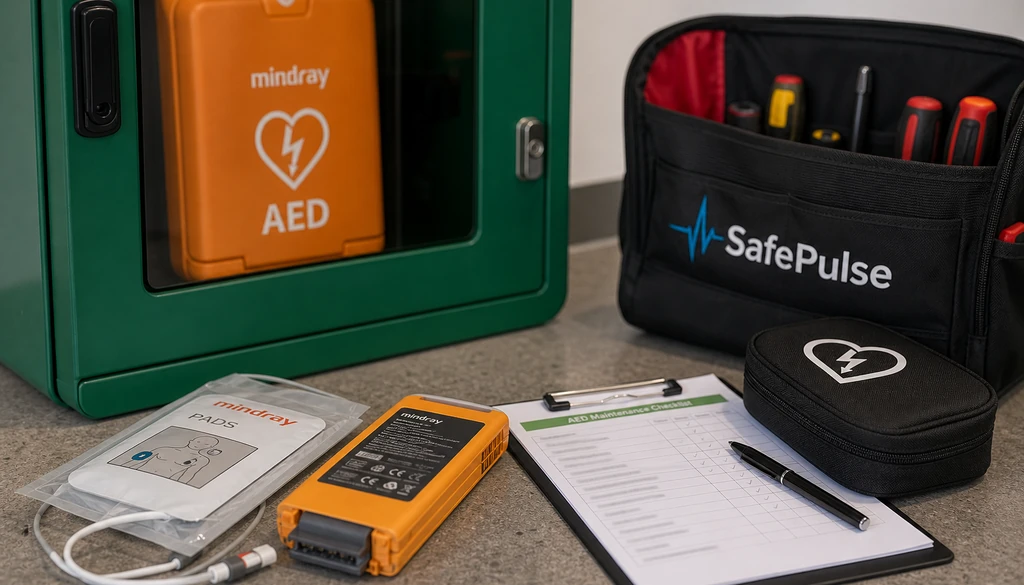
AED Maintenance Under SA Law: What's Actually Required
Getting an AED on the wall is the easy part. The SA Act also requires you to maintain it — and failing to is an offence. Here's what "per the manufacturer's instructions" means in practice, and how to set up a routine that keeps you compliant and genuinely rescue-ready.
Read article arrow_forward
Will Victoria Mandate AEDs? Where the Push Stands, and What Property Managers Should Watch
Is Victoria about to bring in an AED law like SA's? Straight answer: there's no Act, and no Bill has ever been tabled. St John VIC's advocacy is the only signal. Where it really stands in 2026, the OHS duty you already carry, and the more useful question of what to do now.
Read article arrow_forward
AEDs in Canberra's Pubs, Clubs and Licensed Venues: The WHS Case for a Device on the Wall
A packed Canberra club on a Friday night, a function room at capacity, a brewery taproom on a long weekend — rooms full of people, often late, often with an older crowd. No ACT law requires a defibrillator in any of them, but the WHS duty you already carry points fairly clearly toward one. The practical case for licensed venues.
Read article arrow_forward
The Proposed NSW AED Law: Where It Stands in 2026, and What Property Managers Should Actually Do
Is NSW about to bring in an AED law like SA's? Straight answer: the push has stalled — three Bills, all lapsed, and the member who drove them has left Parliament. There's no mandate and no deadline. Where it really stands in 2026, and the more useful question of what a NSW property manager should do right now.
Read article arrow_forward
AEDs in Perth CBD Multi-Tenant Offices: Who's Responsible, and Where the Device Goes
A Perth tower might hold twenty businesses, a building owner who's met none of them, and a facilities manager running the common areas. So whose job is the defibrillator? WA has no law that says, which makes the question worth working through — overlapping WHS duties, where the device goes, and why you register with St John WA, not GoodSAM.
Read article arrow_forward
SA Theatres and Performance Venues: Why You Need an AED, Whatever Your Size
Run a theatre or performance venue in SA and the law names you directly: you don't get to do a floor-area calculation and decide you're too small. Theatres are designated facilities, so it's at least one AED regardless of size. What's required, how many you need, and the Fringe temporary-structure nuance.
Read article arrow_forward
AEDs in Queensland Aged Care: Where Federal Rules Meet State Safety Duty
Aged care is the setting where the AED question almost answers itself — the residents are the demographic most at risk. In Queensland the rules come from two directions at once, the state WHS duty and the new federal Aged Care Act, and neither says the word 'defibrillator'. Here's how they actually stack up.
Read article arrow_forward
SA Caravan Parks and AED Compliance: What Operators Need to Know
Run a caravan park in South Australia and here's the fact that catches operators out: parks are named in the legislation, so you've needed an AED since 1 January 2026 — no matter how small the reception is. Why size doesn't get you out of it, who carries the duty, and where the device has to go.
Read article arrow_forward
Tasmania's Wineries, Cellar Doors and Tourism Stays: The AED Case Out Where the Ambulance Is Far Away
A cellar door in the Coal River Valley, a lodge on the East Coast, a distillery an hour past the last town — they share a feature that isn't on the wine list: if someone's heart stops here, help is a long way off. The practical AED case for Tasmania's remote tourism and wine businesses.
Read article arrow_forward
The WorkSafe Victoria Compliance Code: What It Actually Says About AEDs
You've been told there's no law requiring an AED in your Victorian workplace. True — but the document that governs your first-aid duty does talk about defibrillators. A careful read of what the WorkSafe Compliance Code actually says, the evidential weight it carries, and what 'should consider' really asks of you.
Read article arrow_forward
AED Registration in Victoria: Step-by-Step Guide to GoodSAM
You've put an AED in your Victorian workplace. There's one more job worth doing, it takes about ten minutes, and it costs nothing — registering the device with Ambulance Victoria through GoodSAM. Exactly how it works, what you'll need, and why it's worth it even though no law requires it.
Read article arrow_forward
Comparing ACT, SA and NSW AED Frameworks for Multi-Jurisdiction Property Managers
Manage a portfolio that runs up the eastern seaboard and includes a Canberra building, and the AED picture gets lopsided fast. SA has a law, NSW has a duty of care plus a government registry, and the ACT has neither. Here's the side-by-side, with the Canberra-specific catches called out.
Read article arrow_forward
AEDs in Adelaide Schools: SA Act Compliance vs Best Practice
Run a school in South Australia and the AED question isn't a maybe — schools are named in the legislation. The size thresholds that catch office towers don't apply, but the obligation to have a device does. Who carries the duty, where it goes, and where sensible schools go past the minimum.
Read article arrow_forward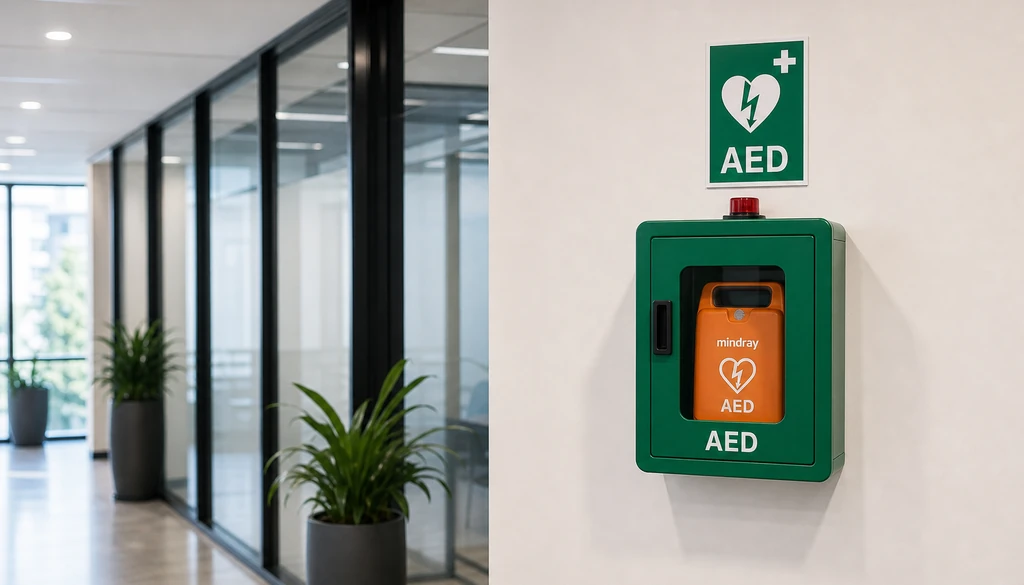
Multi-Tenant Office Buildings in Hobart and Launceston: AED Placement Guide
Own or manage a multi-tenant office building in the Hobart or Launceston CBD and an AED is a decision with no deadline pushing it — which is why it drifts. No law forces your hand, but the duty is real and a multi-tenant building has placement questions a single occupier never faces.
Read article arrow_forward
NSW vs SA vs VIC AED Laws: A Side-by-Side for Multi-State Operators
Manage commercial property across the eastern states and the AED rules feel like they should be consistent. They're not. Only South Australia has a law in force — NSW and Victoria sit under their general safety duties. Here's the honest side-by-side, written for someone running a portfolio.
Read article arrow_forward
St John NT vs GoodSAM States: A Practical Comparison for Multi-State Operators
If your portfolio crosses the Northern Territory and the eastern states, one small assumption quietly breaks: "we'll just register everything on GoodSAM." You can't. The NT doesn't use GoodSAM, and neither does WA. Here's how an AED actually gets onto the emergency map in each state.
Read article arrow_forward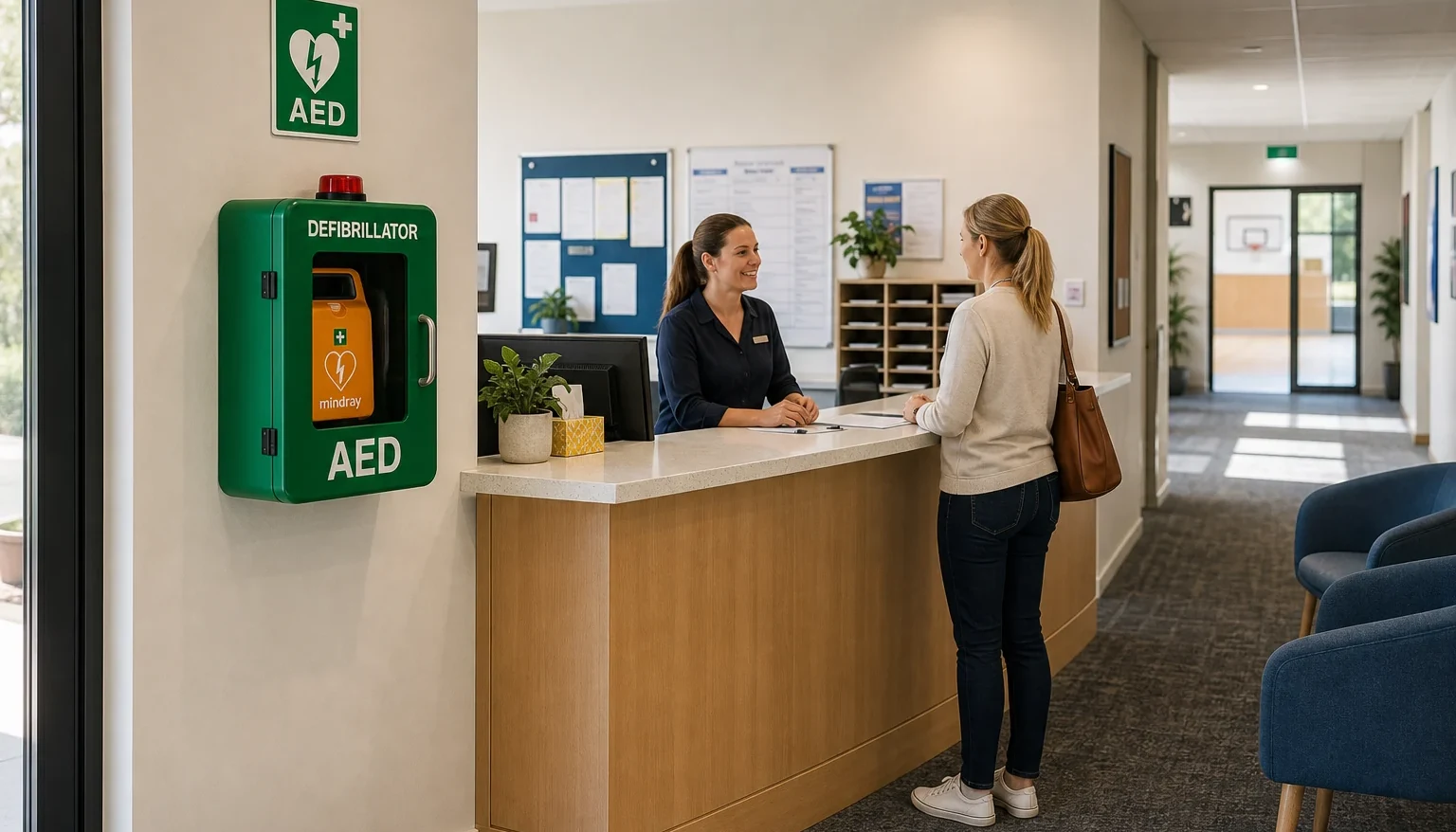
Independent and Catholic Schools in the ACT: The Voluntary AED Case
Run a public school in the ACT and the AED question has at least been on the government's radar. Run an independent or Catholic school and you're outside that conversation entirely — the decision is yours, school by school. This is the case for making it.
Read article arrow_forward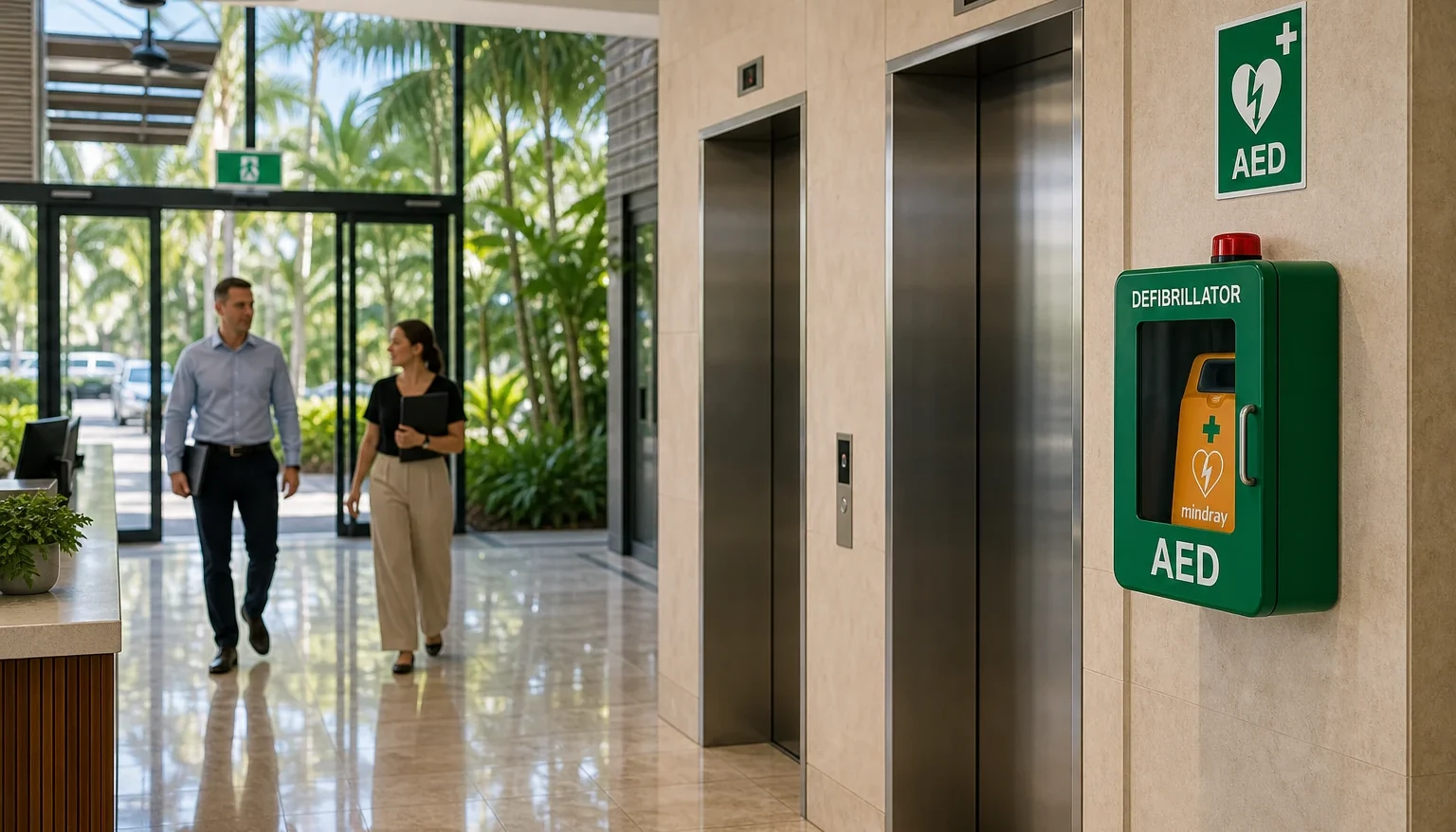
Darwin and Palmerston CBD Property Managers: A Practical AED Guide
Manage commercial buildings in Darwin or Palmerston and an AED program is easy to keep putting off — no law forces it, no deadline looms. But the case is solid, and the Top End adds a couple of wrinkles cooler capitals never face. Here's the practical version.
Read article arrow_forward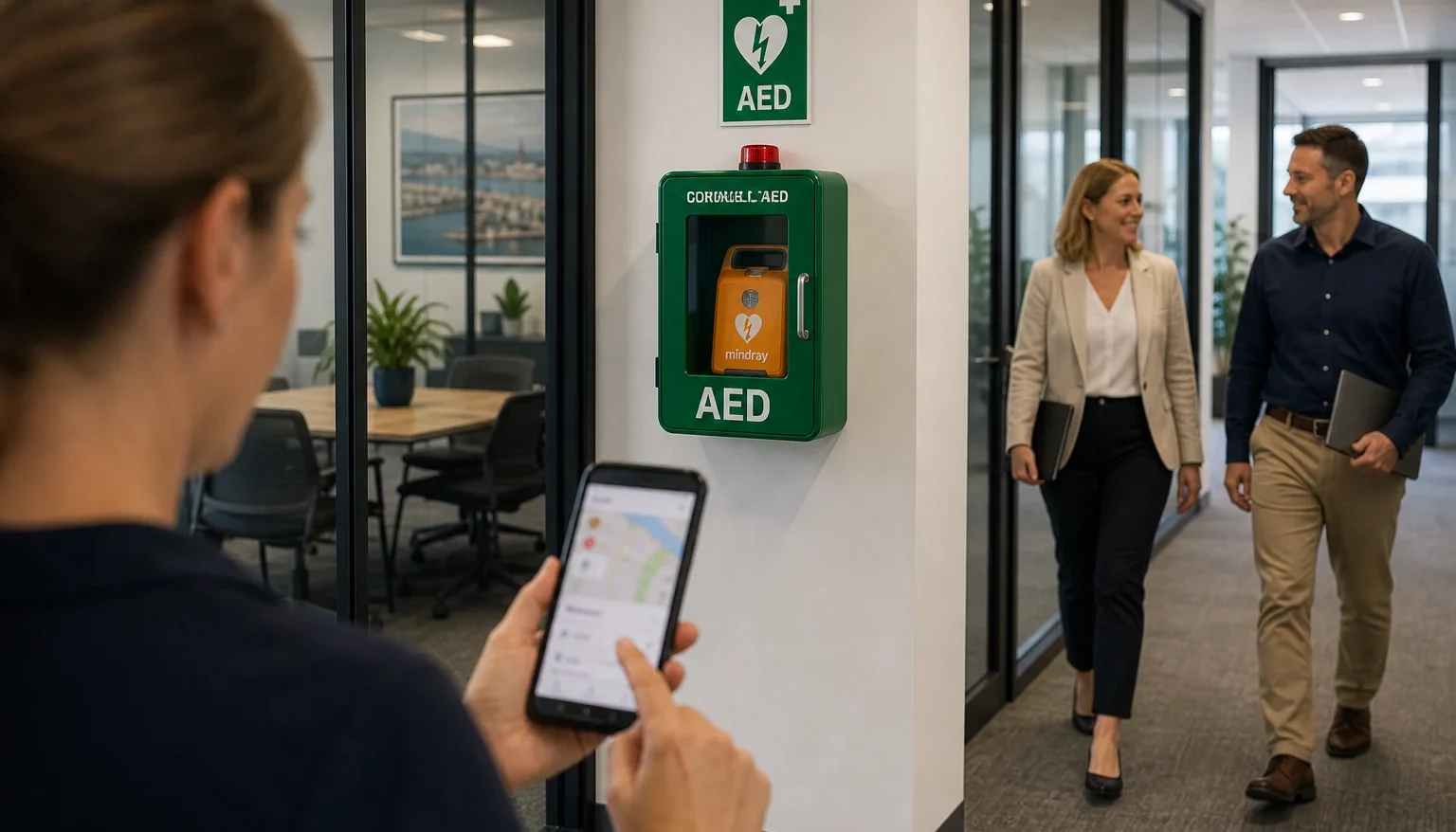
How to Register Your AED with NSW Ambulance (GoodSAM)
You've put an AED in your NSW workplace. There's one more thing worth doing, and it costs nothing — registering the device with NSW Ambulance through GoodSAM. Here's why it matters and exactly how to do it, for one device or a whole portfolio.
Read article arrow_forward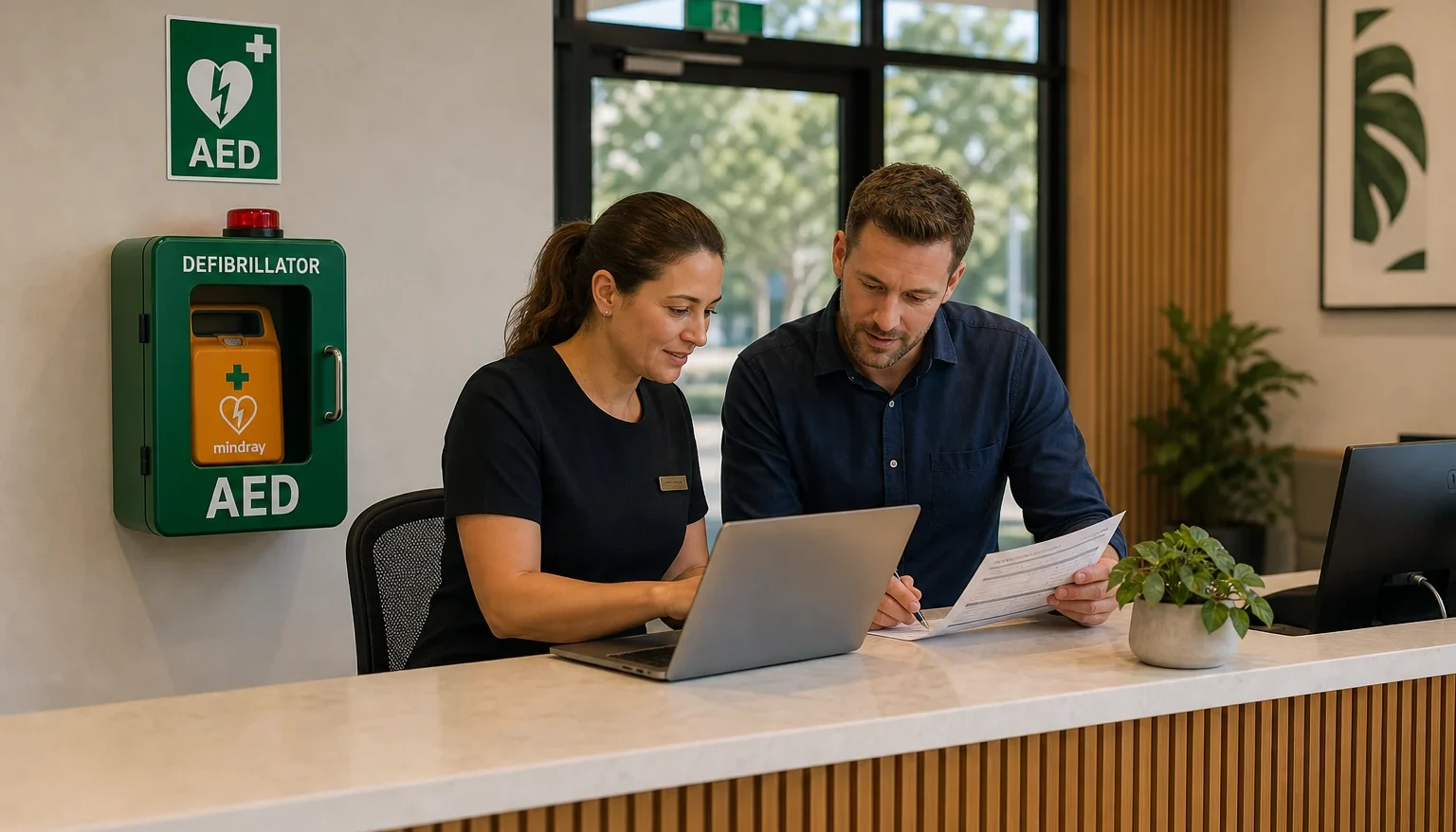
SA Ambulance Service AED Register: Step-by-Step Registration
You've installed your AED. There's one more step the SA legislation requires, and it's the one people most often miss — registering it with the SA Ambulance Service within two weeks. Unlike every other state, in SA it's the law. Here's the step-by-step.
Read article arrow_forward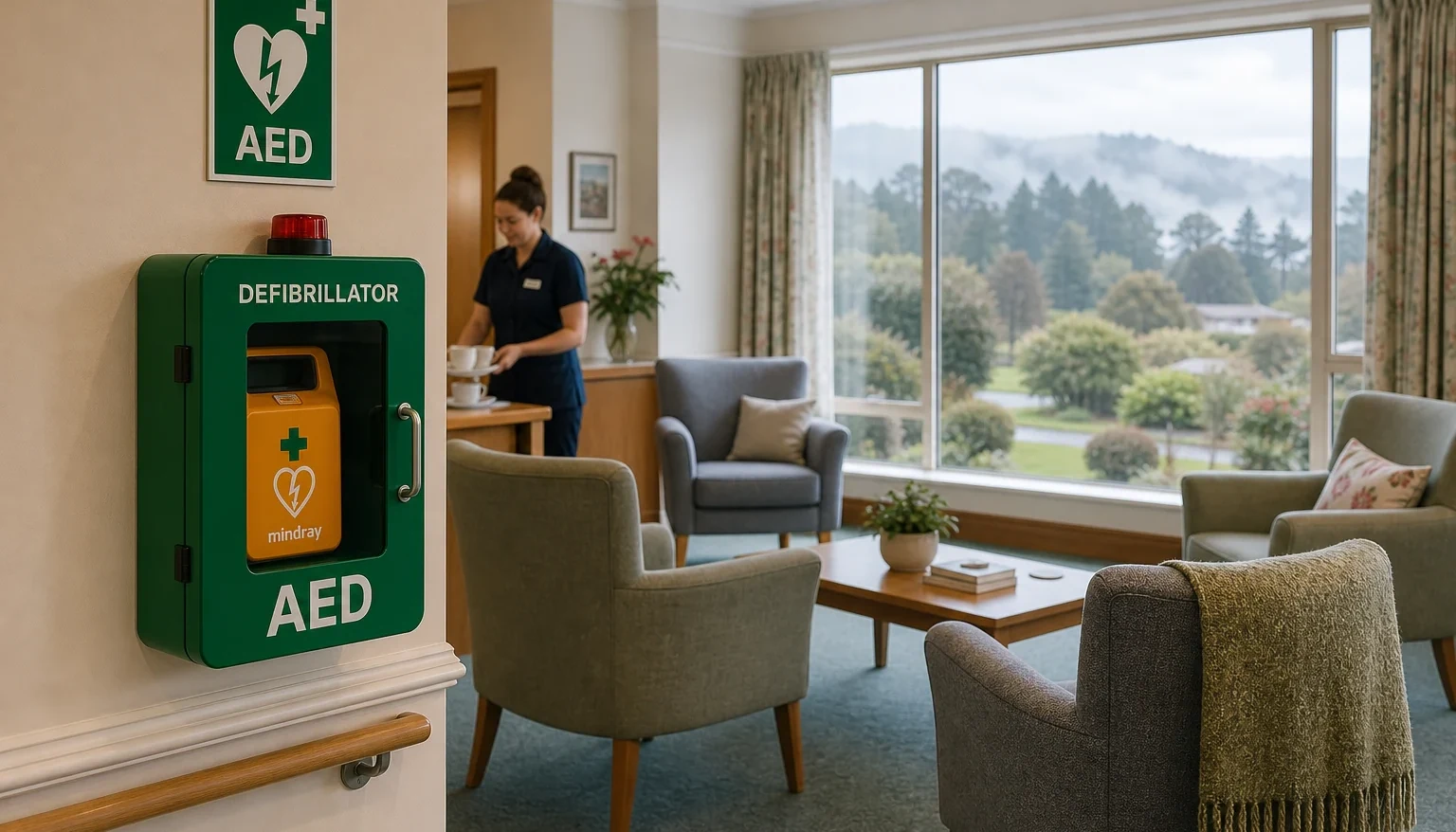
Aged Care in Tasmania: Federal Regulation Meets State WHS Duty
No Tasmanian law requires an aged care home to have a defibrillator. What does the work instead is a pair of obligations — a federal regulator governing clinical care and a state WHS duty governing workplace safety — sharpened by the reality of regional ambulance distances.
Read article arrow_forward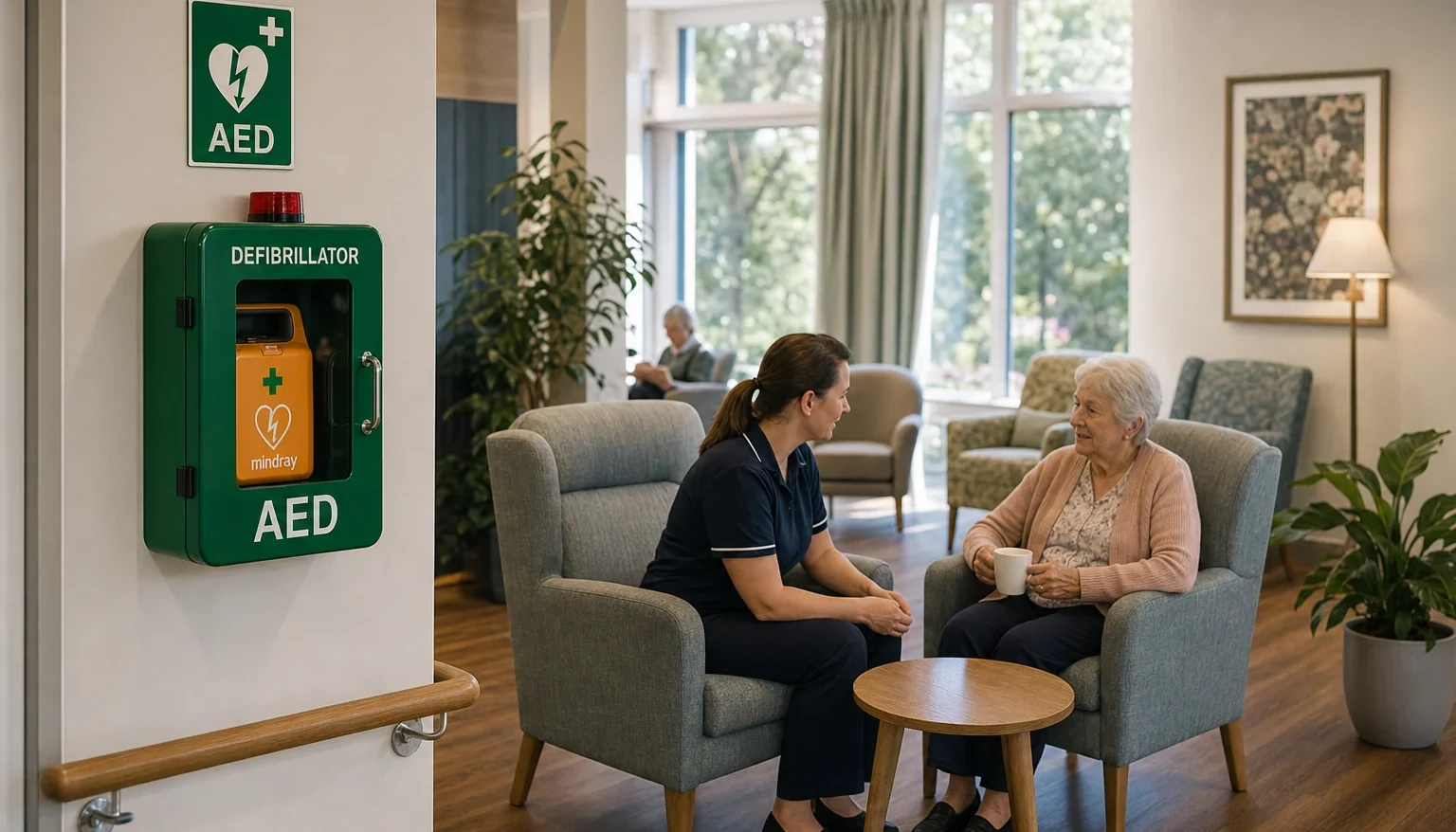
AEDs in Victorian Aged Care: Federal Regulation Meets State OHS Duty
No single Victorian law says an aged care home must have a defibrillator. What there is instead is two layers of obligation pulling the same way — a federal regulator governing clinical care, and a state OHS duty governing workplace safety. Neither names AEDs. Both make a strong case for one.
Read article arrow_forward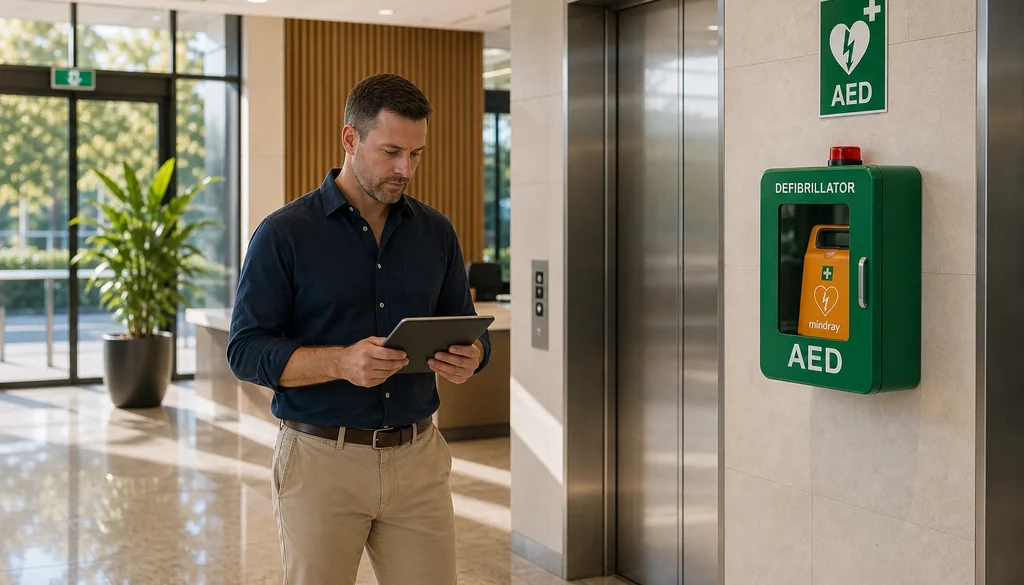
Brisbane Office Buildings and AEDs: A Property Manager's Guide
Queensland has no AED law — but Brisbane property managers still have a WHS duty for common areas. The QAS registry works differently to NSW or Victoria, owner-vs-tenant responsibility splits cleanly, and a sensible program for a CBD tower is a couple of devices and a maintenance schedule.
Read article arrow_forward
AEDs in Canberra Body Corporate Office Buildings (Civic, Barton, Belconnen, Tuggeranong, Gungahlin)
Body corporate-managed office buildings make up a meaningful share of Canberra's commercial stock. No ACT mandate, but a real WHS duty for the common areas the body corporate controls. Here's how to put together an AED program that holds up at the AGM.
Read article arrow_forward
The Lotterywest Heart Grant: Subsidised AEDs for WA Sporting Clubs
The Lotterywest Heart Grant via St John WA has been the single most accessible AED funding pathway for community sport in WA — around 1,001 devices subsidised at $249 against a $2,000 retail price. The current round is closed. Here's what the program has done and what to do in the meantime.
Read article arrow_forward
AEDs in Melbourne Hotels and Hospitality: A Risk-Based Approach
Victorian hotels and hospitality venues tick more of the WorkSafe Compliance Code's AED trigger factors than almost any other commercial setting — large public footfall, older demographic, alcohol, ambulance delay outside the CBD. Here's how to design a program that holds up under the OHS Act.
Read article arrow_forward
AEDs in NSW Schools: Best Practice + the Office of Sport Grant
NSW schools aren't required to have AEDs the way SA schools are. But the WHS Code's trigger factors land squarely on schools — public foot traffic, parents, community sport, older staff. Here's how to think about a school AED program and the Office of Sport grant route.
Read article arrow_forward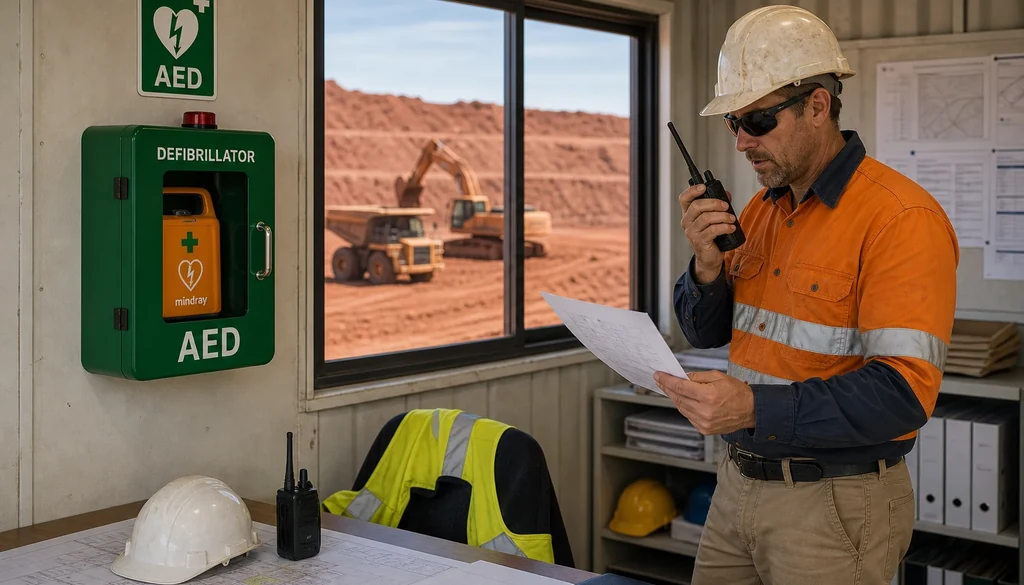
AEDs in NT Mining and Resources: WHS Triggers and Site-Specific Considerations
Mining and resources operations in the NT run under one of the most demanding WHS environments in Australia — extreme heat, long ambulance response, electrocution risk on plant, large rotating workforces. There's no AED mandate, but the Code-of-practice triggers stack. Here's the practical program design.
Read article arrow_forward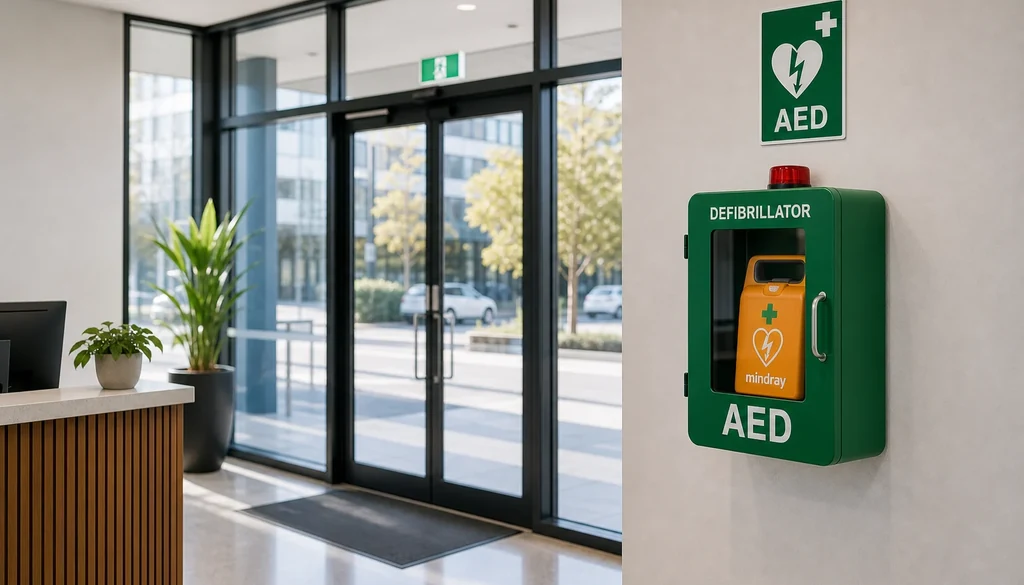
SA AED Signage Requirements: A Visual Guide
The SA AED Act requires two signs for a typical commercial install — one at the building entrance, one at the AED. SA Health recommends a few more. Here's what's mandatory, what's recommended, and what a compliant signage layout looks like.
Read article arrow_forward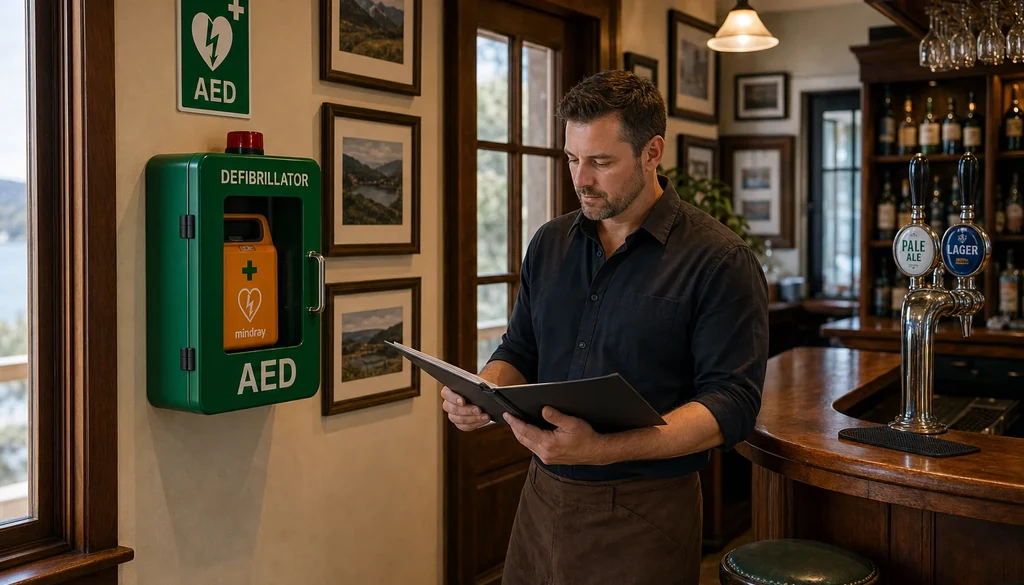
Tasmanian Hospitality and Pub AED Compliance Under WHS
Tasmanian pubs, hotels and hospitality venues sit inside a textbook case for AED provision under the state's WHS framework — public footfall, alcohol, late nights, an older patron base, and outside the cities, ambulance delays that materially affect cardiac arrest survival. Here's how to design a sensible program.
Read article arrow_forward
St John NT and the Heart Grant: How to Apply for a Subsidised AED
The St John NT Heart Grant is the only NT-specific publicly funded pathway placing AEDs into community hands. The 2025 round is closed. Here’s how the program works, who’s eligible, and what to do between rounds.
Read article arrow_forward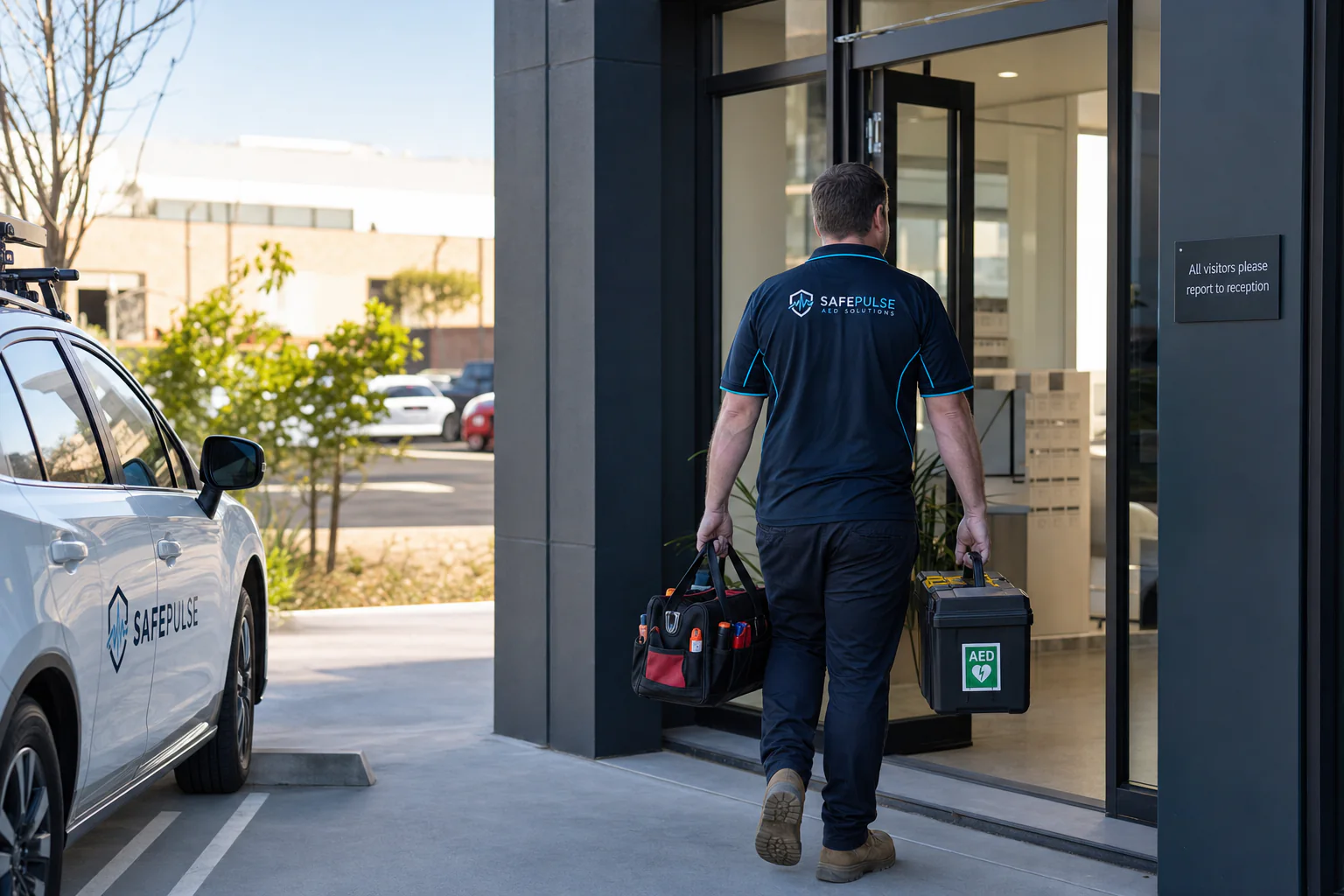
Wilderness, Tourism and AEDs: Tasmania’s Long-Distance Ambulance Reality
Tasmania’s tourism economy runs on places that take time to reach — and that’s the same geography that lengthens time-to-shock if anything goes wrong. The WHS Code names ambulance delay as a trigger for AED provision. On a remote Tasmani…
Read article arrow_forward
AEDs in Commonwealth-Government-Tenanted Buildings: A Canberra-Specific Guide
Roughly 40% of the ACT workforce is Commonwealth. If you own a Canberra commercial building, your tenants likely sit under Comcare while you sit under the ACT WHS Act. Neither regime mandates an AED — here’s how to think about a sensible…
Read article arrow_forward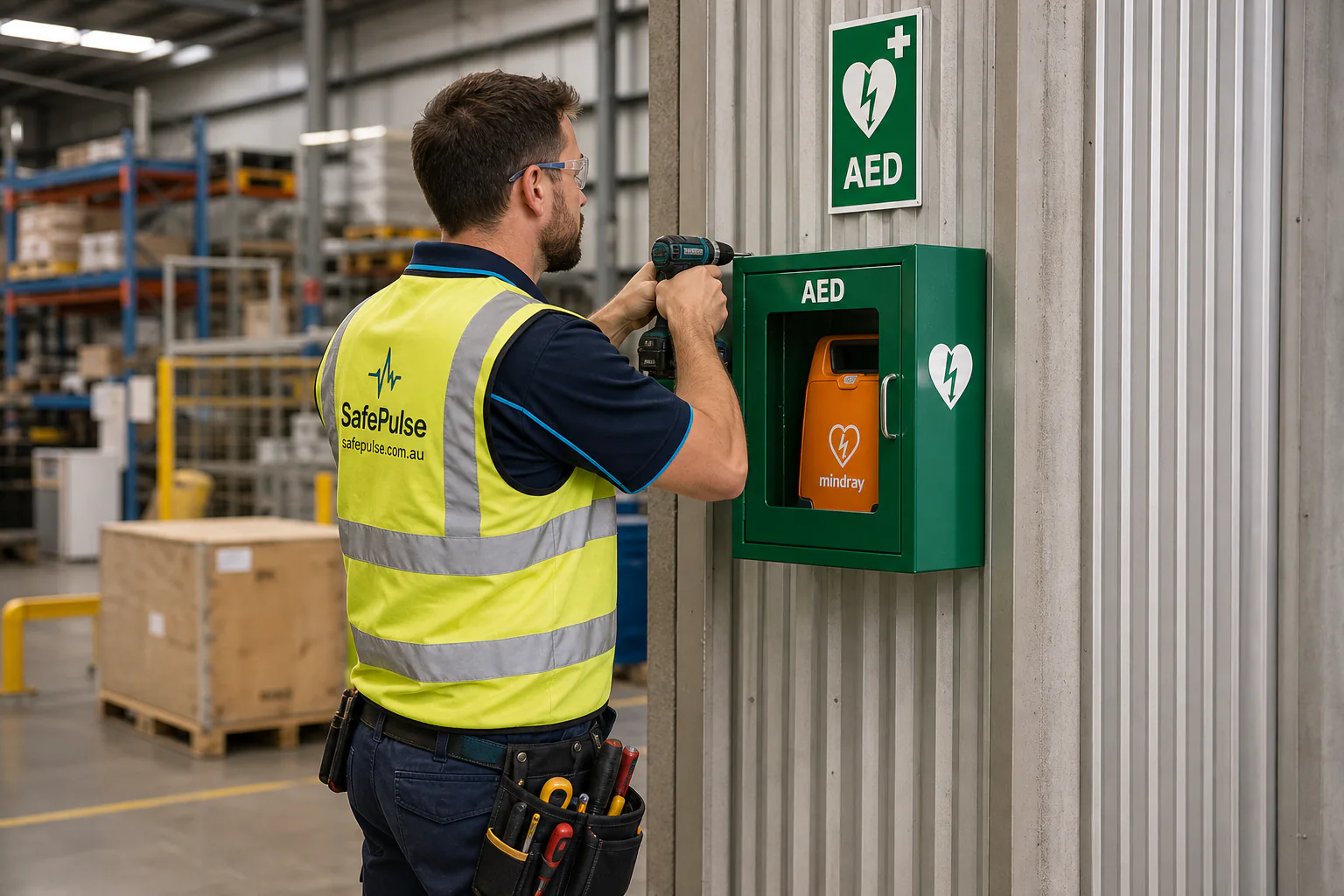
AEDs on WA Mining Sites: WHS Triggers and Industry Best Practice
The WA Mines Regulations don’t name AEDs. WHS Bulletin No. 11 doesn’t mandate them either. What does drive AED provision on a remote mining site is the first aid risk assessment — and the answer is almost always yes.
Read article arrow_forward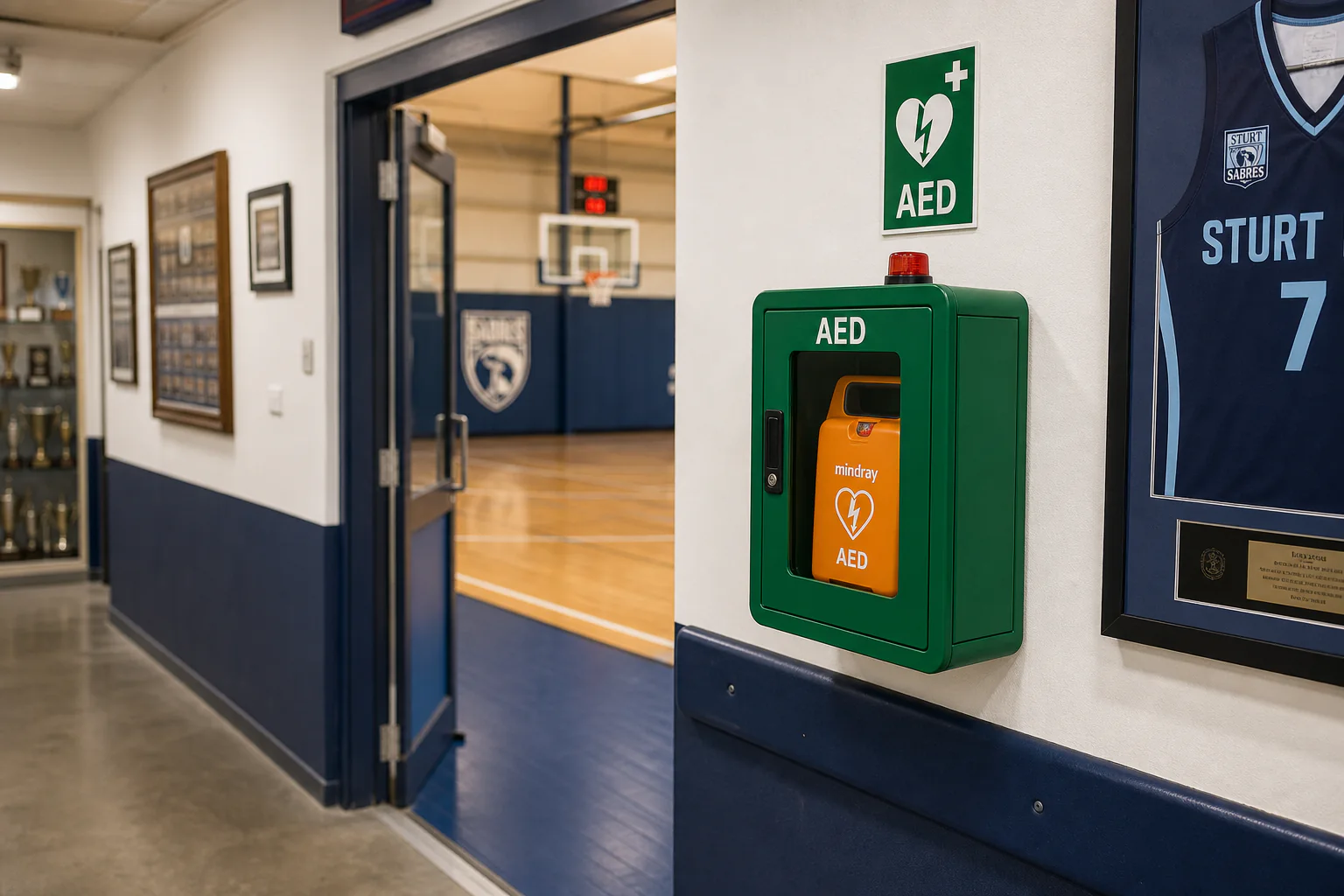
AED Funding for Queensland Sporting Clubs: Active Clubs and Beyond
Queensland doesn’t have a dedicated state AED grant for sport. What it has is a patchwork — Active Clubs, Alpha Sport’s Heart Starter, Project Defib, and council grants. Here’s what’s actually available and how to use it.
Read article arrow_forward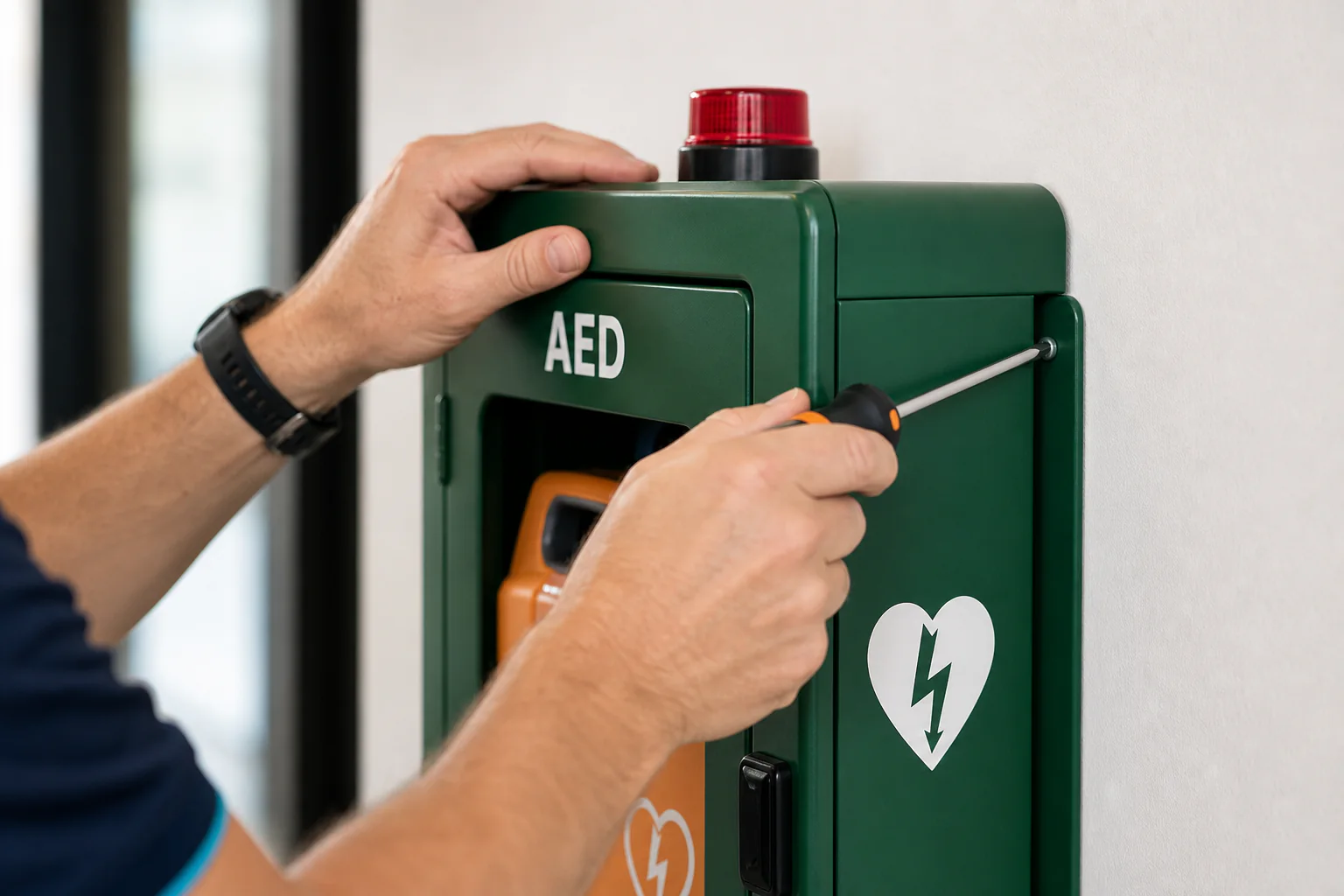
Construction Site AEDs in Victoria: OHS Compliance and Best Practice
Victoria has no AED-specific legislation, but the OHS Act and the WorkSafe Compliance Code do apply. On a construction site — electrocution risk, ambulance delay, concentrated workforce — the “reasonably practicable” answer to AED provis…
Read article arrow_forward
AEDs in NSW Aged Care Facilities: A Practical Guide
Aged care is the clearest setting for an AED program — older residents, higher cardiac risk, staff trained to respond. NSW’s regulatory layering (state WHS plus federal Aged Care Act) makes the program design less obvious. Here’s how to…
Read article arrow_forward
The 1,200 m² Threshold: How to Calculate Publicly Accessible Floor Area for SA AED Compliance
The SA AED Act scales the AED count by publicly accessible floor area, not total building footprint. The 1,200 m² threshold trips up most owners on the first pass — here’s how the calculation actually works.
Read article arrow_forward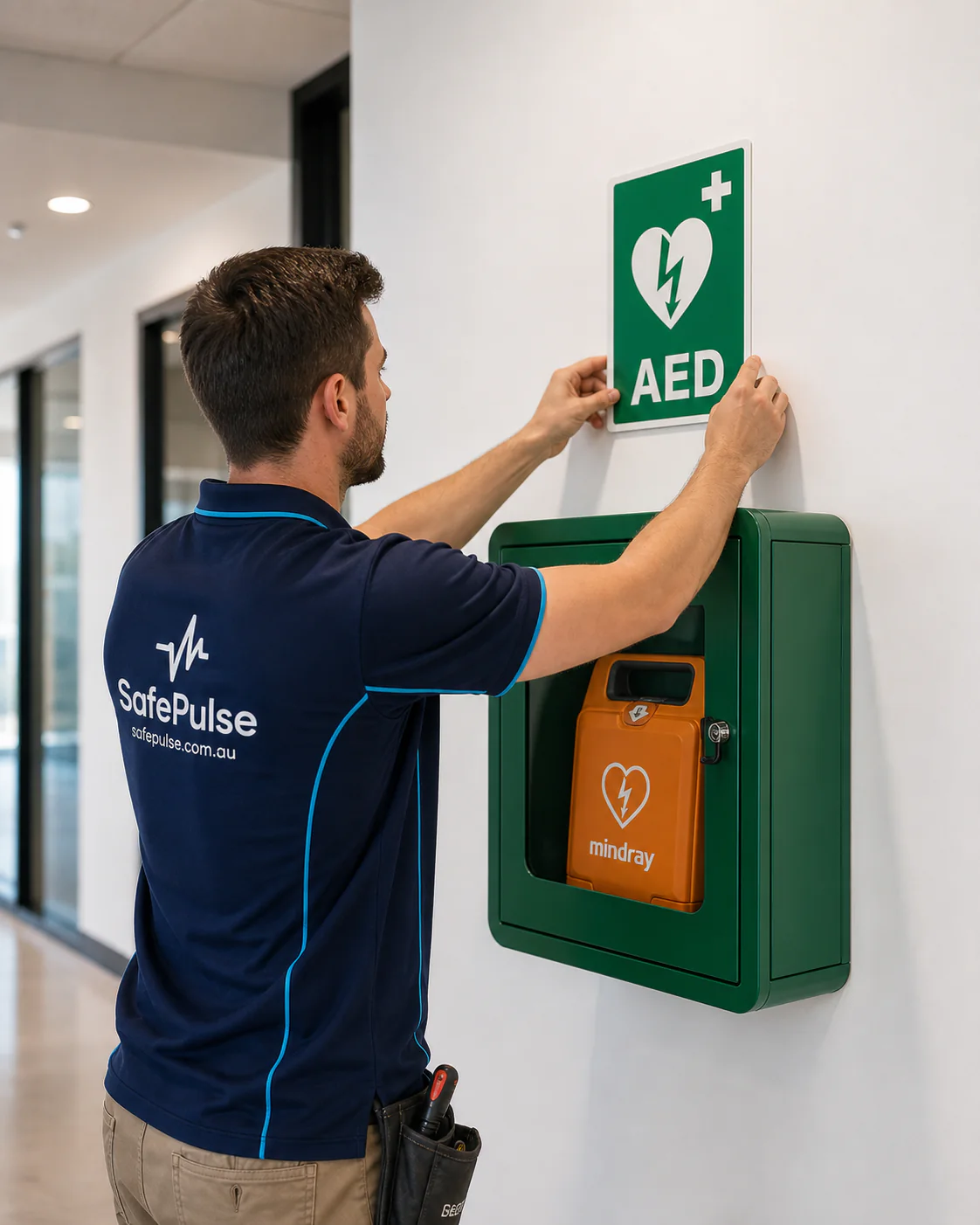
AEDs in the Heat: Why NT Workplaces Need to Think About Cabinet Placement
Most AED guidance you’ll read across Australia treats cabinet placement as a check-box item — visible, accessible, mounted at 1.2 to 1.4 m, signed properly, not locked. That’s the standard playbook, and in most of the country it covers t…
Read article arrow_forward
Tasmania’s $500K Community AED Fund and How It’s Reshaping Public Access
Tasmania doesn’t have AED-specific legislation. It doesn’t have a Bill before parliament.
Read article arrow_forward
The ACT Has No Government AED Registry — Here’s What That Means
If you’ve registered an AED in NSW, South Australia, Victoria or Tasmania, you’ve gone through a state-government-run pathway connected to the local ambulance service. In SA it’s mandatory.
Read article arrow_forward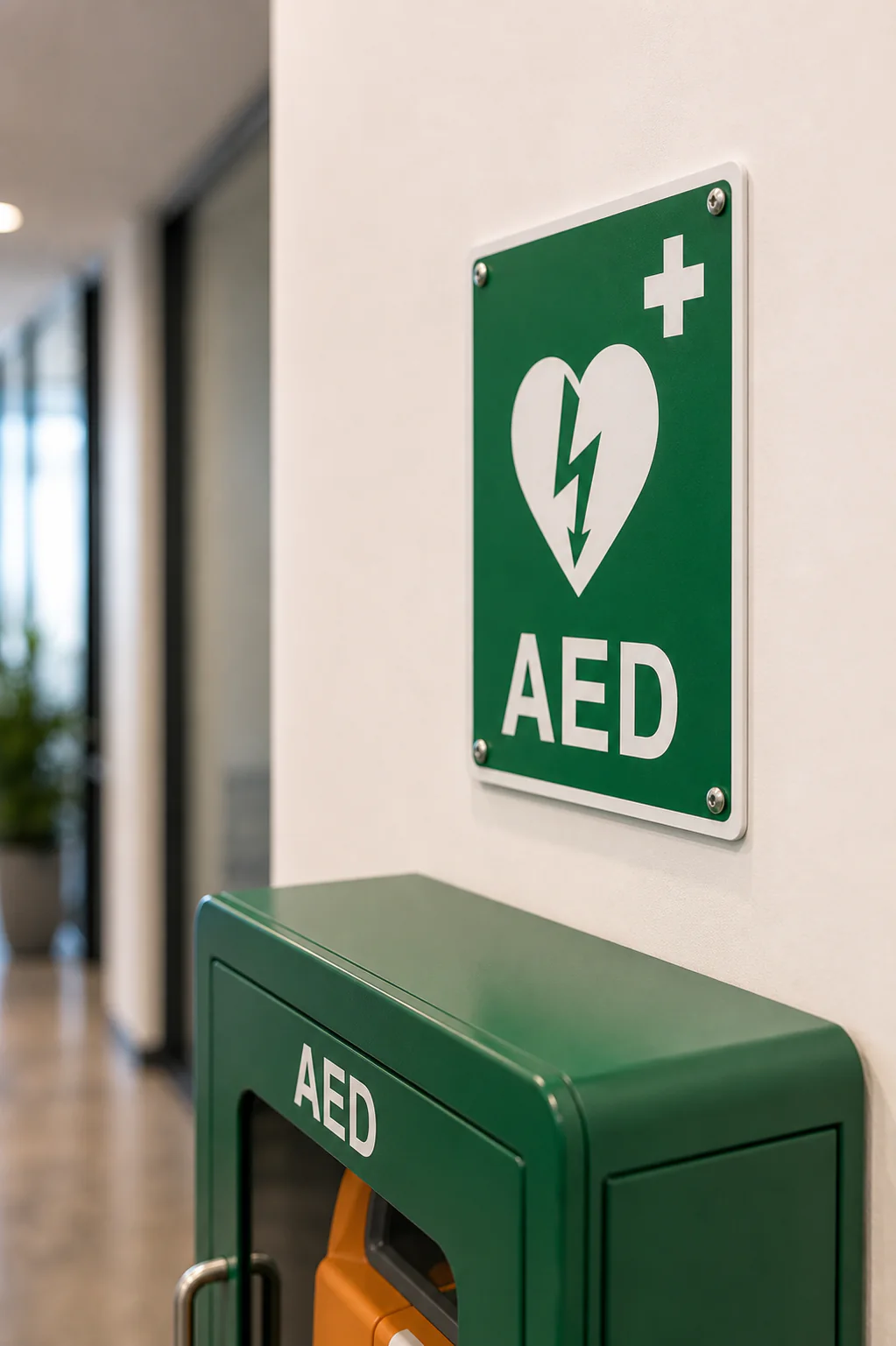
St John WA’s State Defib Network: How Registration Works
Western Australia does AED registration differently to the eastern states, and the reason is on the side of every ambulance in the state: St John Ambulance WA, not WA Health, runs the service. So when you register an AED in WA, you’re re…
Read article arrow_forward
QAS Registry vs GoodSAM: Why Queensland is Different
If you’ve registered an AED in NSW or Victoria, you’ve used GoodSAM. Same platform, same workflow, same outcome — a Triple Zero call-taker and a pool of nearby volunteer responders both know where your device is when a cardiac arrest is…
Read article arrow_forward
AEDs in Victorian Sporting Clubs: Grants, Best Practice, and the OHS Case
Victorian sporting clubs sit at the intersection of three angles on AEDs: a real cardiac risk in physical exertion settings, an OHS duty under the *Occupational Health and Safety Act 2004* (Vic), and a small but genuine grants pathway th…
Read article arrow_forward
Construction Site AEDs in NSW: What WHS Compliance Looks Like
NSW construction sites tick more first-aid risk boxes than almost any other workplace category. Electrical work, height work, isolated tasks, plant and mobile equipment, ageing workforces, ambulance access constrained by traffic manageme…
Read article arrow_forward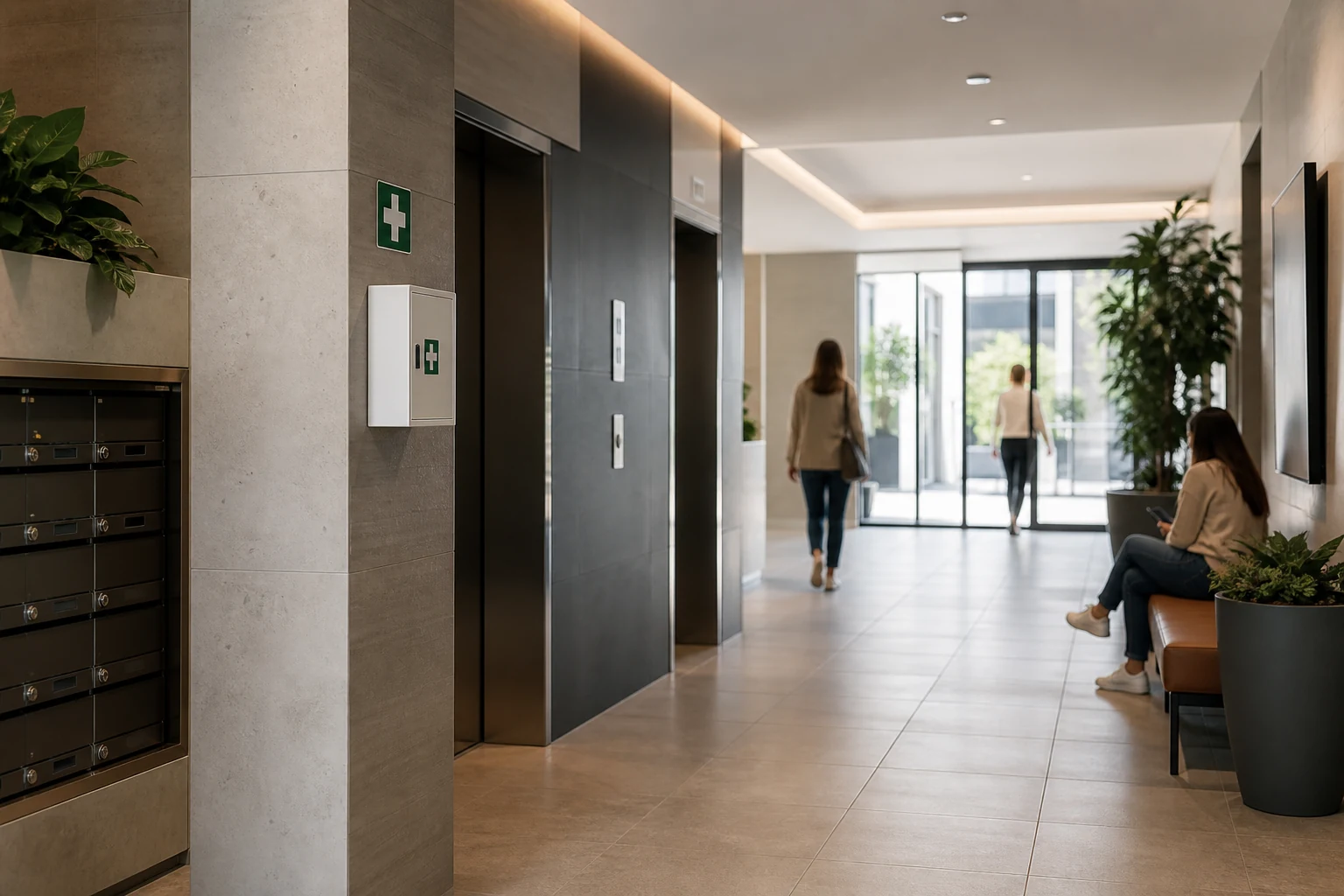
SA Strata and Body Corporate AED Compliance Guide
If you manage a strata-titled commercial building, a body-corporate-controlled office tower, or a residential retirement complex in South Australia, the AED question lands on your desk in a way that’s easy to misread. The Act is clear ab…
Read article arrow_forward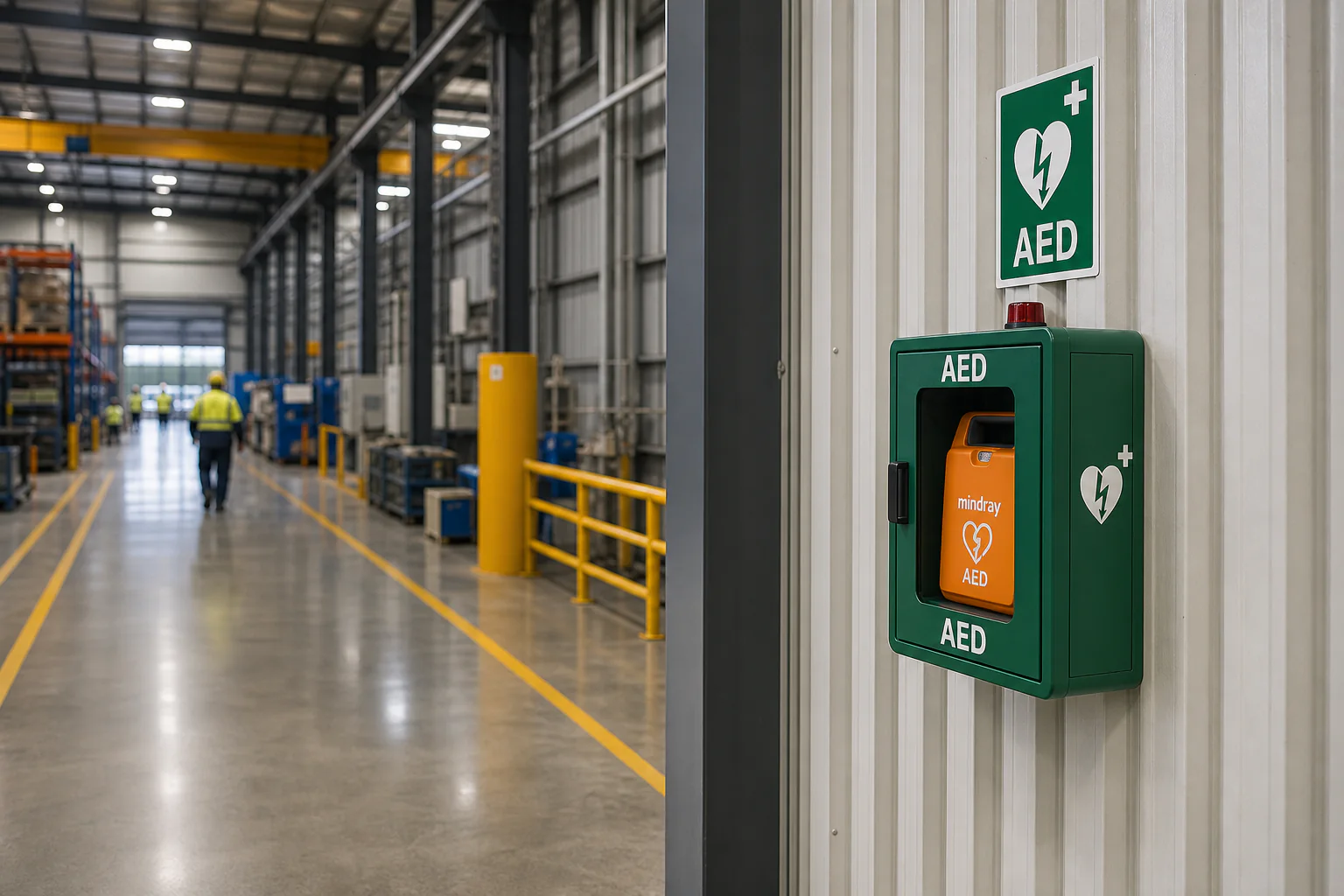
Do Northern Territory Commercial Buildings Need an AED in 2026?
Do Northern Territory commercial buildings legally need an AED in 2026? A clear guide to WHS duty, the NT Code’s heat exclusion, St John NT registration and the Heart Grant.
Read article arrow_forward
Do Tasmanian Commercial Buildings Need an AED in 2026?
Do Tasmanian commercial buildings legally need an AED in 2026? A clear guide to WHS duty of care, the Community AED Fund, GoodSAM registration, and the 1,300+ registered AEDs statewide.
Read article arrow_forward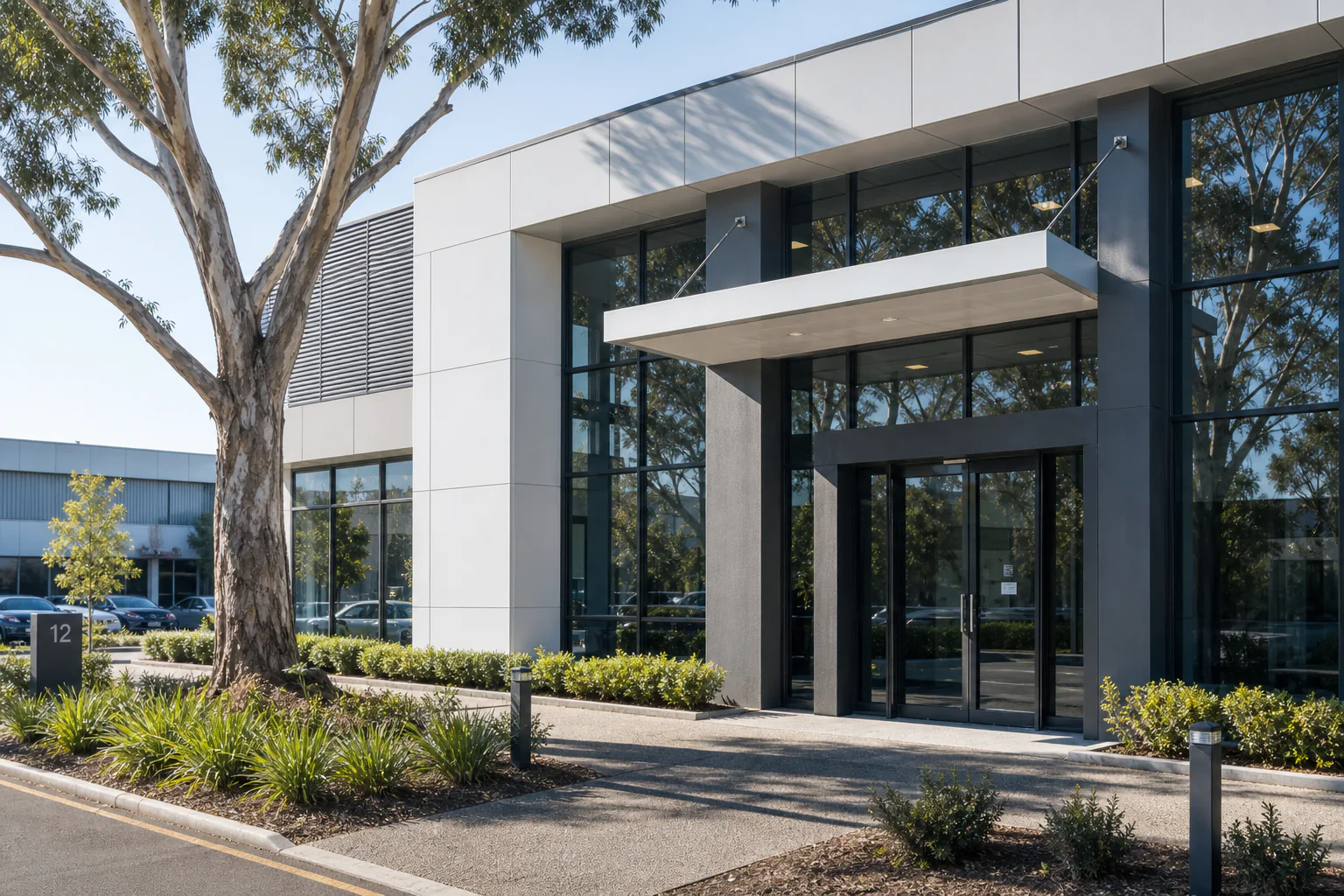
Do ACT Commercial Buildings Need an AED in 2026?
Do ACT commercial buildings legally need an AED in 2026? A clear guide to WHS duty of care, the 2022 Castley motion, ACT Emergency Services and registration via St John ACT.
Read article arrow_forward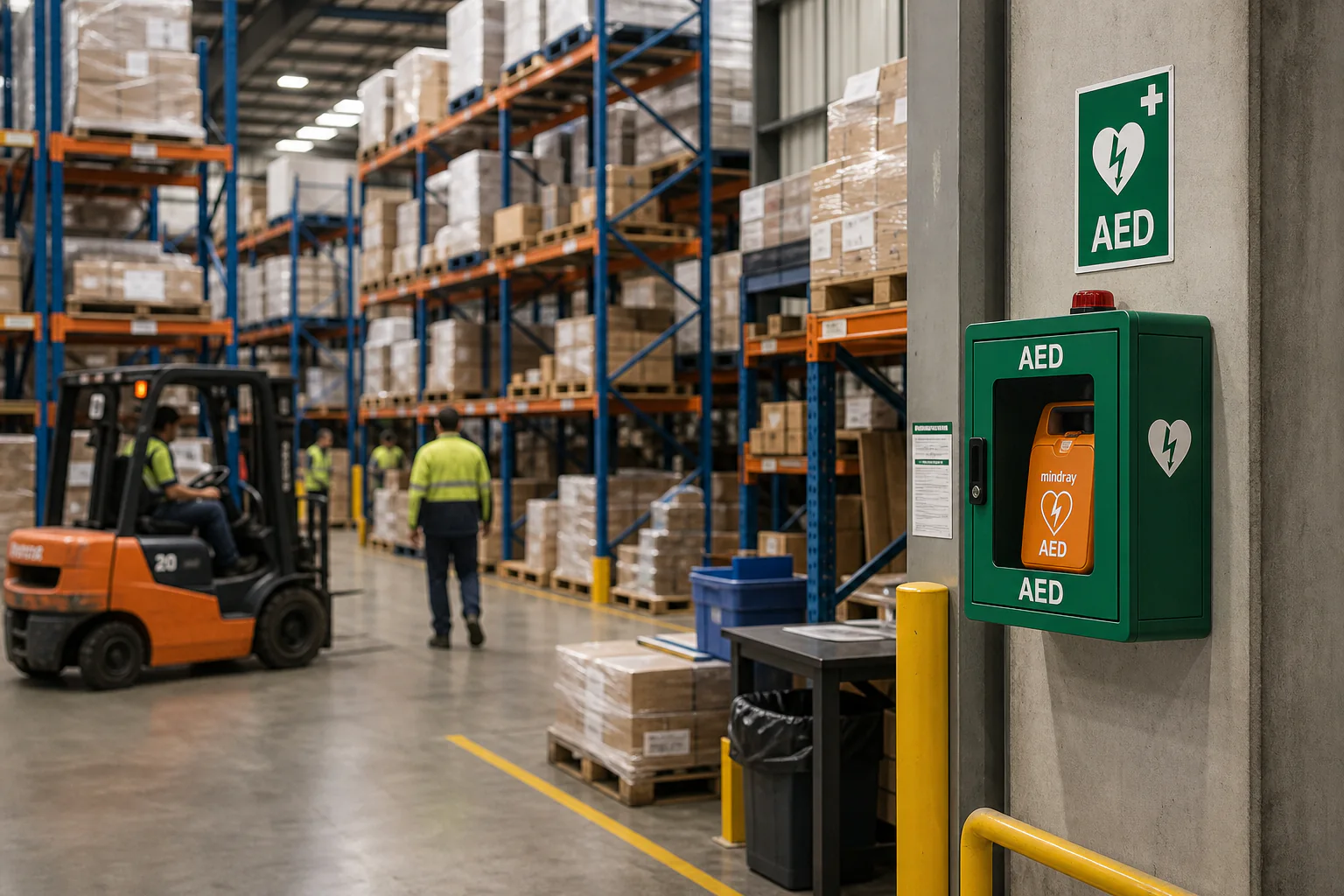
Do Western Australian Commercial Buildings Need an AED in 2026?
Do WA commercial buildings legally need an AED in 2026? A clear guide to WHS duty of care, WorkSafe WA Bulletin 11, the St John WA registry, and the Lotterywest Heart Grant.
Read article arrow_forward
Do Queensland Commercial Buildings Need an AED in 2026?
Do Queensland commercial buildings legally need an AED in 2026? A clear, honest guide to QLD WHS duty of care, the Code of Practice, QAS registration, and where AEDs make sense.
Read article arrow_forward
Victorian OHS Duty of Care: First Aid and AED Obligations Explained
Does Victorian OHS law require an AED in your workplace? A practical guide to the OHS Act 2004, WorkSafe Victoria’s 2021 Compliance Code, and the ‘reasonably practicable’ test for property managers and employers.
Read article arrow_forward
AED Requirements for Sydney Sporting Clubs and Gyms
Do Sydney sporting clubs and gyms need an AED? A practical guide to NSW WHS duty of care, the Office of Sport grant program, and the clinical case for sporting facilities.
Read article arrow_forward
SA Multi-Tenancy Buildings: Who’s Actually Responsible for the AED?
In a SA multi-tenant commercial building, who actually carries the AED obligation under the 2022 Act? A practical guide for landlords, body corporates and property managers — covering ownership boundaries, AED count, signage, and registr…
Read article arrow_forward
NSW WHS Duty of Care: First Aid and AED Obligations Explained
NSW workplaces don’t have AED-specific legislation, but WHS duty of care still bites. Here’s what the SafeWork NSW (NSW Government) First Aid in the Workplace Code of Practice actually requires for first aid and AEDs in 2026.
Read article arrow_forward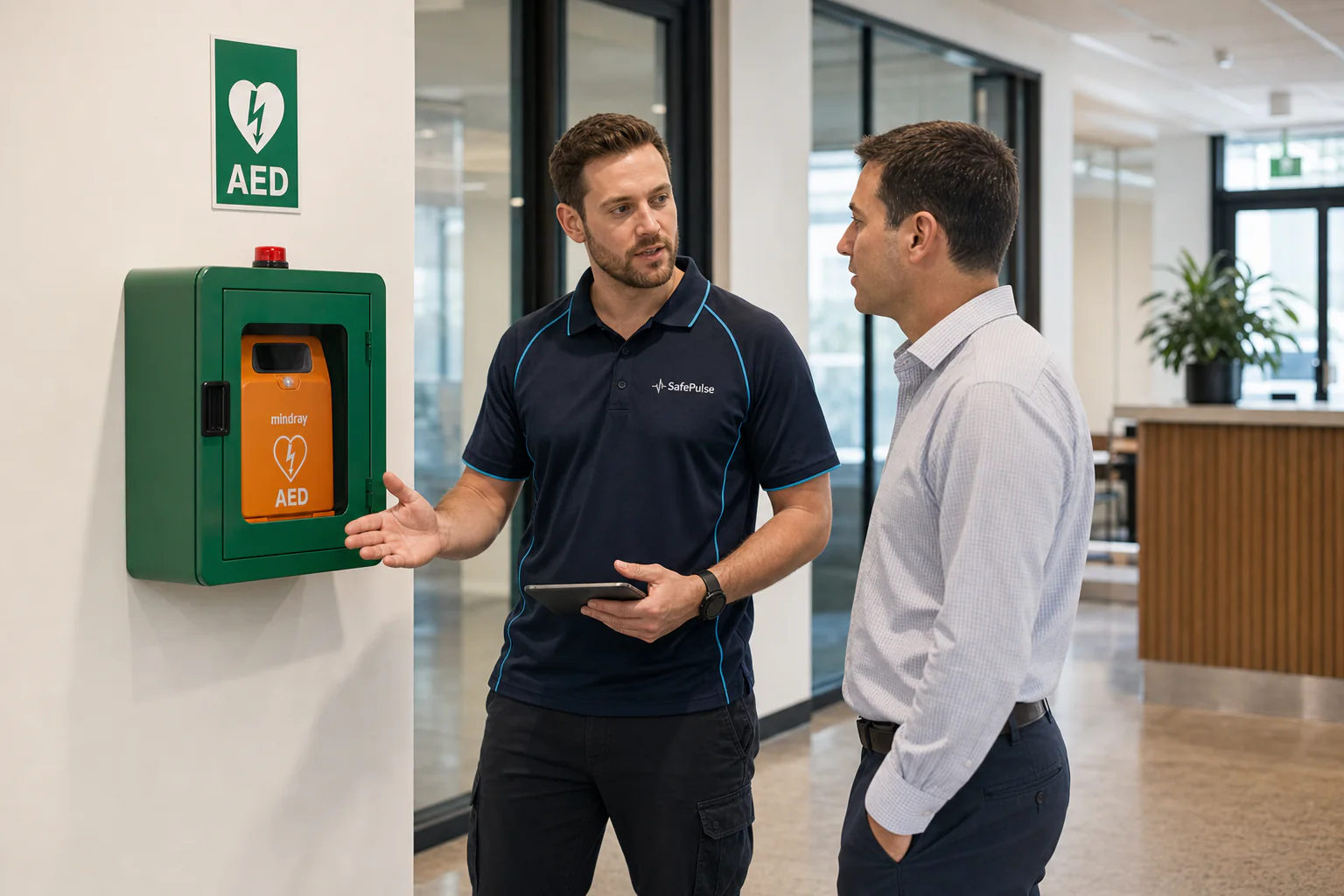
SA AED Compliance in 2026: Four Months In, What’s Changed
SA’s AED Act has been in full effect for privately owned commercial buildings since 1 January 2026. Four months in, here’s an honest read on what’s actually playing out — enforcement patterns, market shifts, and what property managers sh…
Read article arrow_forward
Is Your Adelaide Workplace AED Ready? A Plain-Language Checklist for Facility Managers
If you manage a gym, community centre, club, or venue in Adelaide, the question of whether your site is AED ready is worth taking seriously right now. South Australia’s Automated External Defibrillators (Public Access) Act 2022 came into…
Read article arrow_forward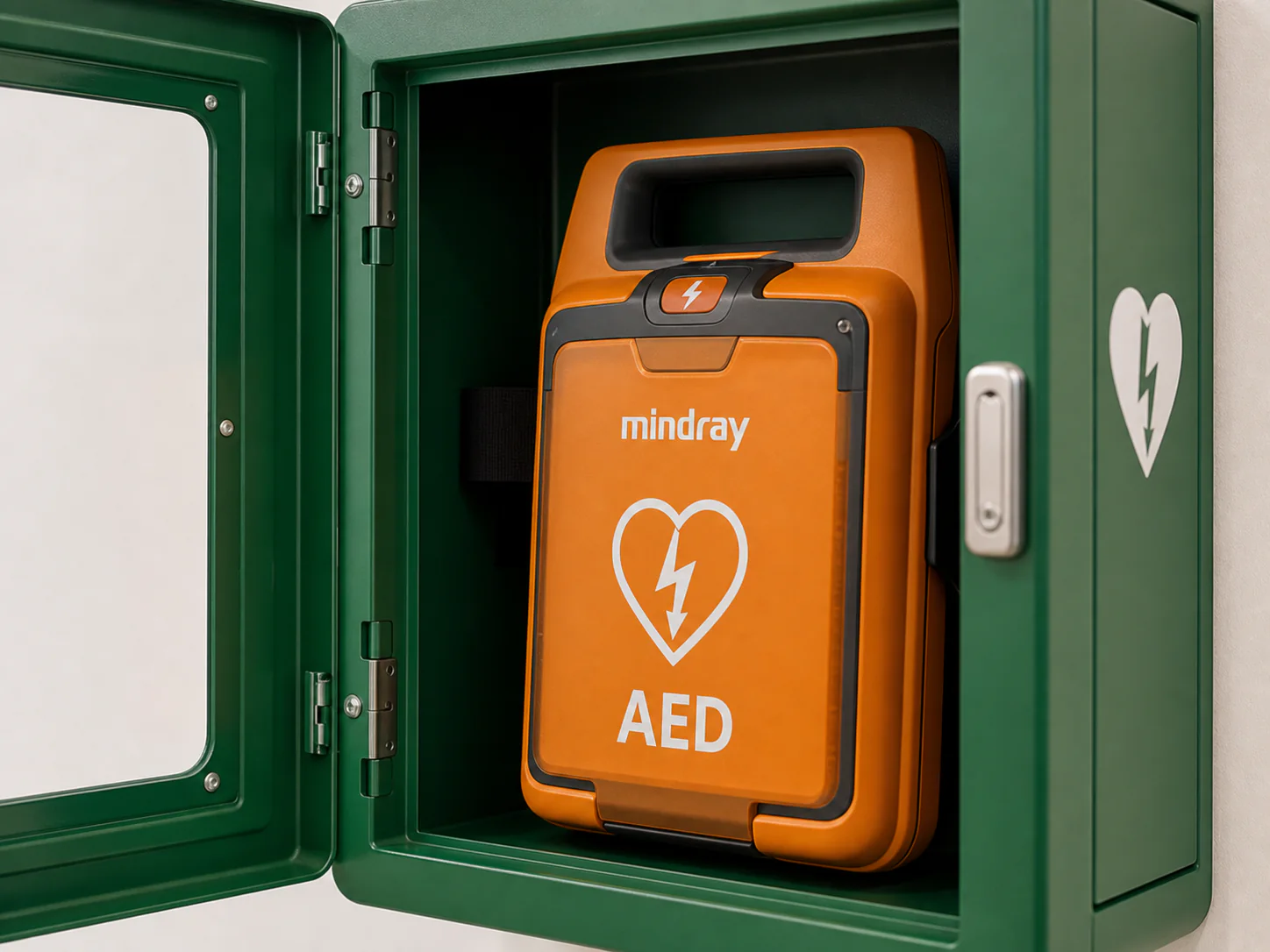
Why SafePulse Installs Mindray AEDs Across Adelaide Commercial Properties
When you’re responsible for AED installation across a commercial portfolio, the device you choose matters just as much as where you place it. SafePulse installs Mindray AEDs across Greater Adelaide because they consistently deliver what…
Read article arrow_forward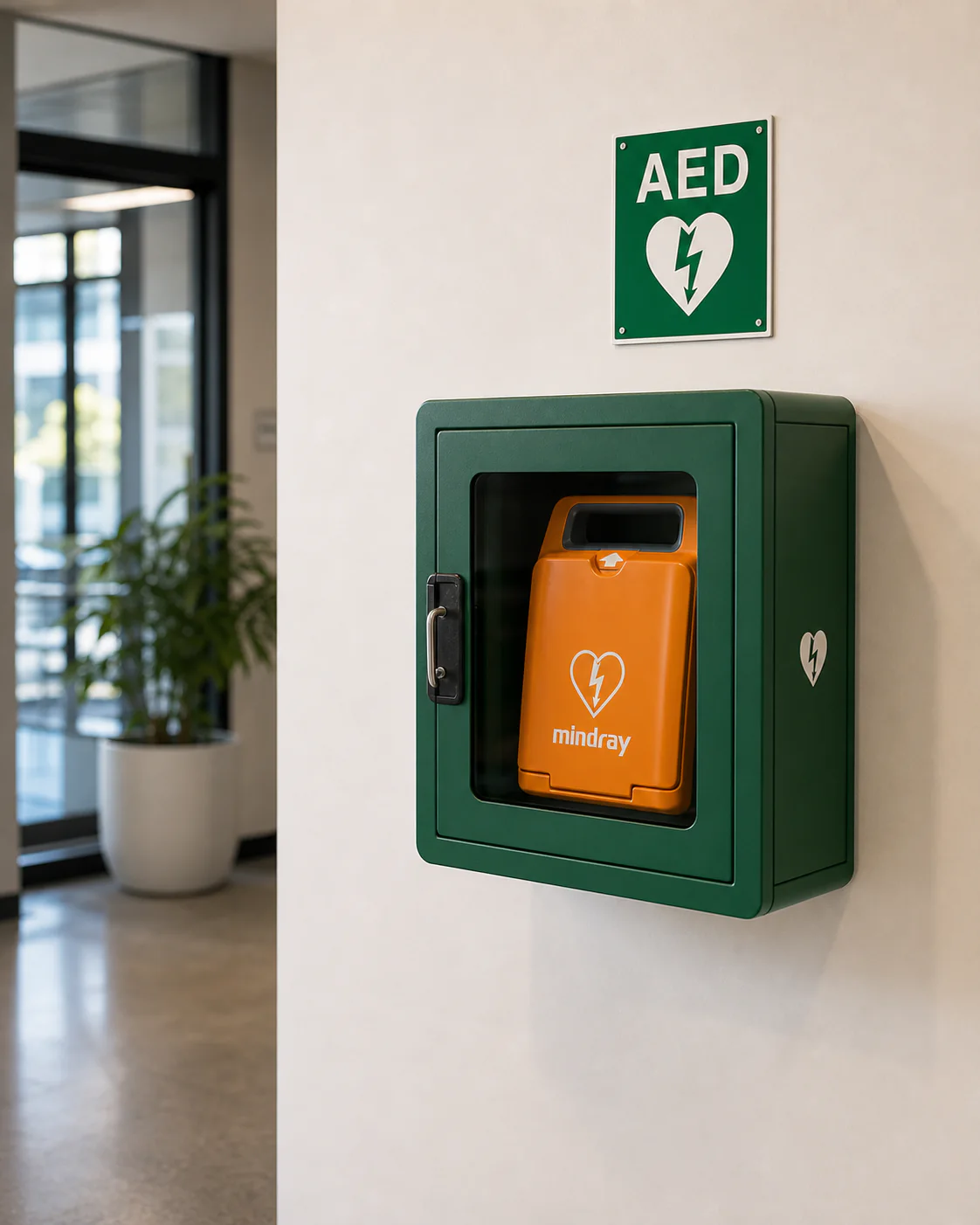
AED Installation Adelaide: A Step-by-Step Guide for Commercial Properties
Installing an automated external defibrillator (AED) across your Adelaide property portfolio doesn’t need to be complicated. Whether you manage a single office building in the CBD or a network of sites across Greater Adelaide, understand…
Read article arrow_forward
How Many AEDs Does My Building Need? A Practical Guide for SA Businesses
It’s the most common question Adelaide business owners ask when preparing for AED compliance: how many defibrillators does my building actually need? This article provides important information for property owners and managers in light o…
Read article arrow_forward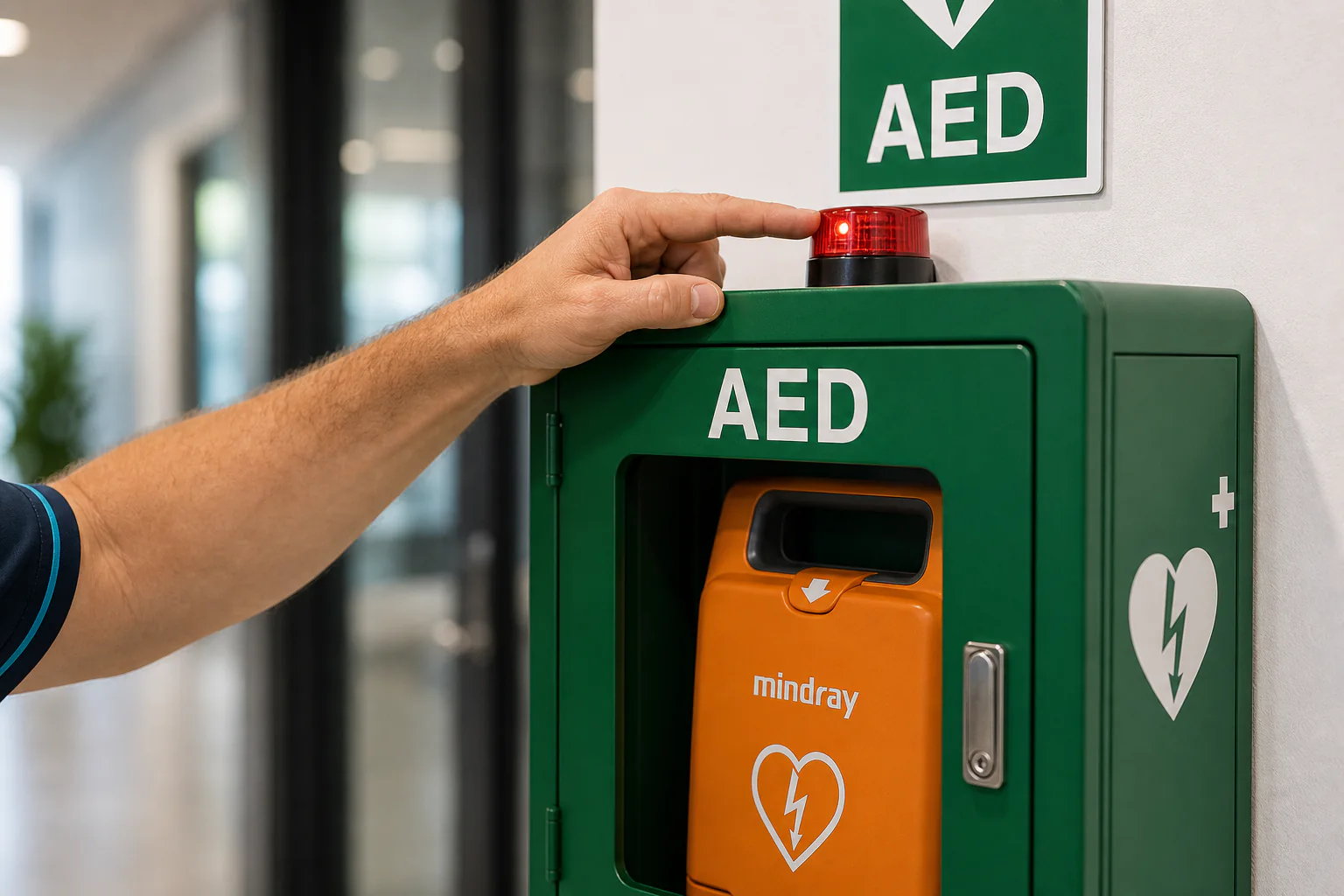
Defibrillator Servicing & Smart AED Monitoring: Is It Worth It for Your Adelaide Business?
Installing an AED is the first step. Ongoing AED maintenance is what keeps it ready to use. For Adelaide businesses managing multiple defibrillators across different sites, smart monitoring technology can simplify AED maintenance by auto…
Read article arrow_forward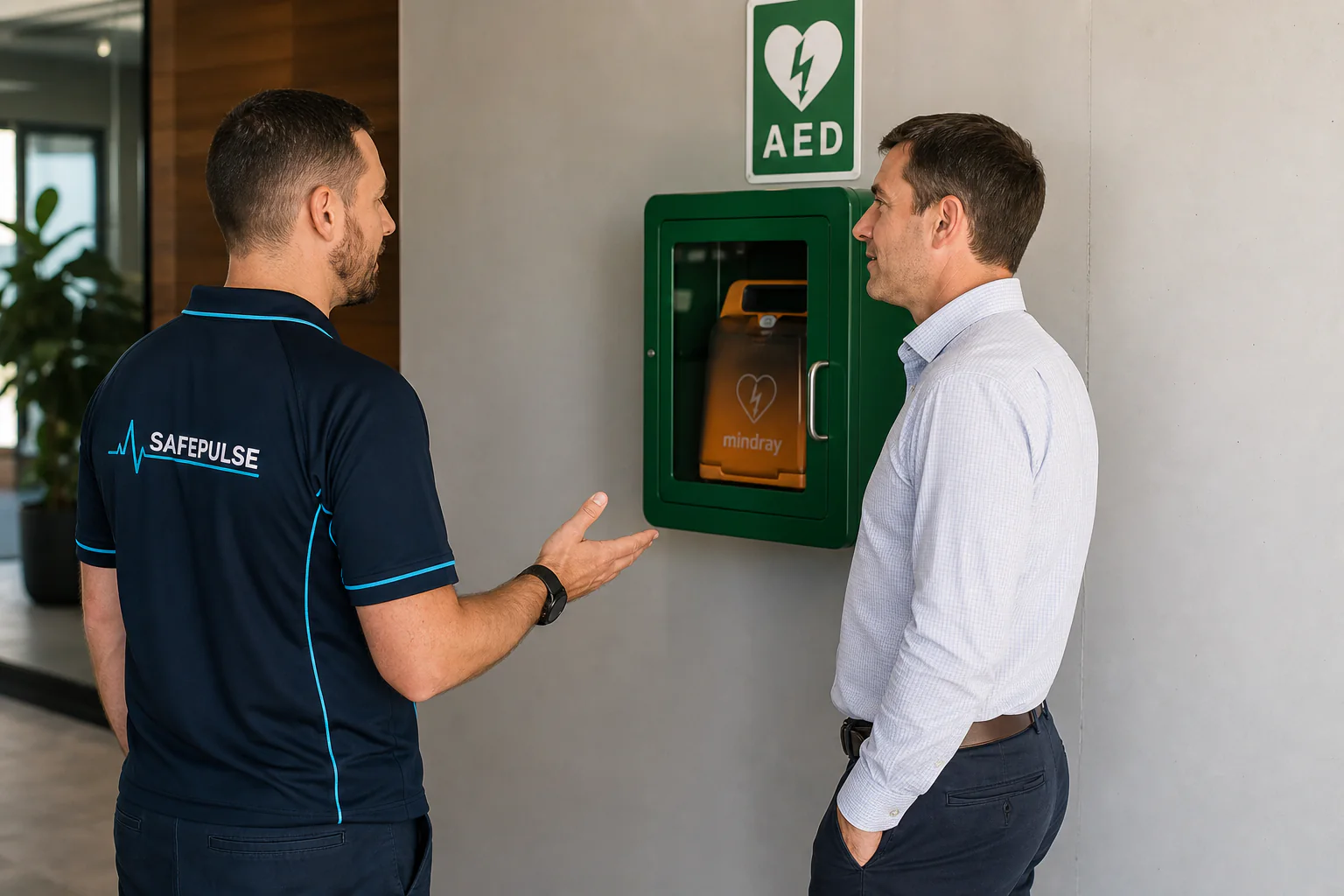
What the New South Australian AED Laws Mean for Commercial Landlords and Property Managers
If you manage commercial property in South Australia, the AED Act has likely crossed your desk. You may have heard about the January 2026 deadline for privately owned buildings. This article explores the detail that catches many landlord…
Read article arrow_forward
Beyond AED Compliance: 7 Reasons Why Every Adelaide Workplace Needs an AED
In case you missed it, AED Compliance has recently changed in South Australia. This article by SafePulse explores what the legislation alone doesn’t tell you.
Read article arrow_forward
The Practical Guide to Keeping Your AED Ready When It Matters
Keeping an AED on-site is only the first step. This guide explains the simple checks and routine servicing that keep your device ready to save a life when it matters.
Read article arrow_forward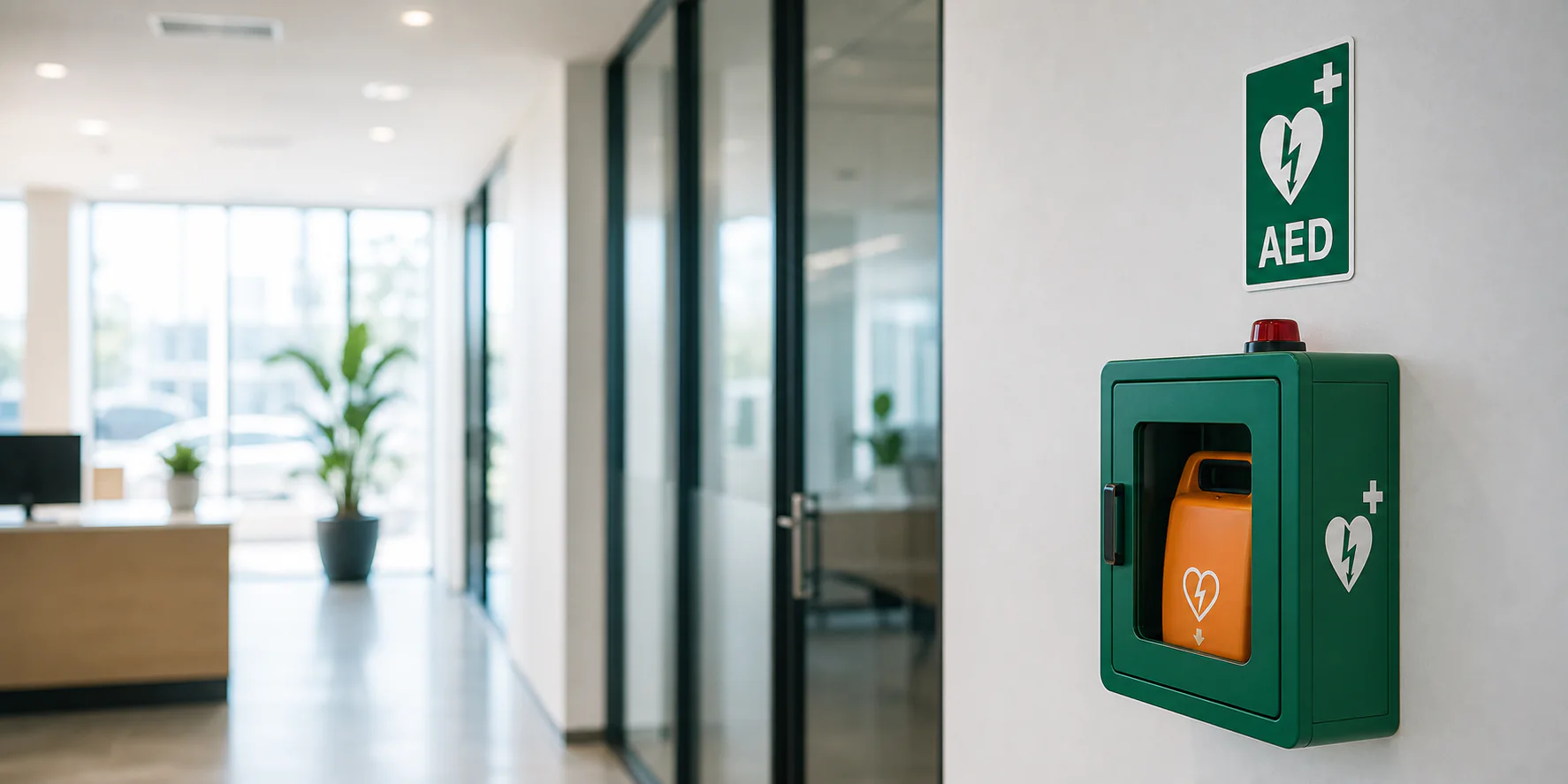
How Often Does an AED Need to Be Serviced?
A practical guide to AED servicing — how often inspections are needed, what gets checked, and how to stay ready between visits.
Read article arrow_forward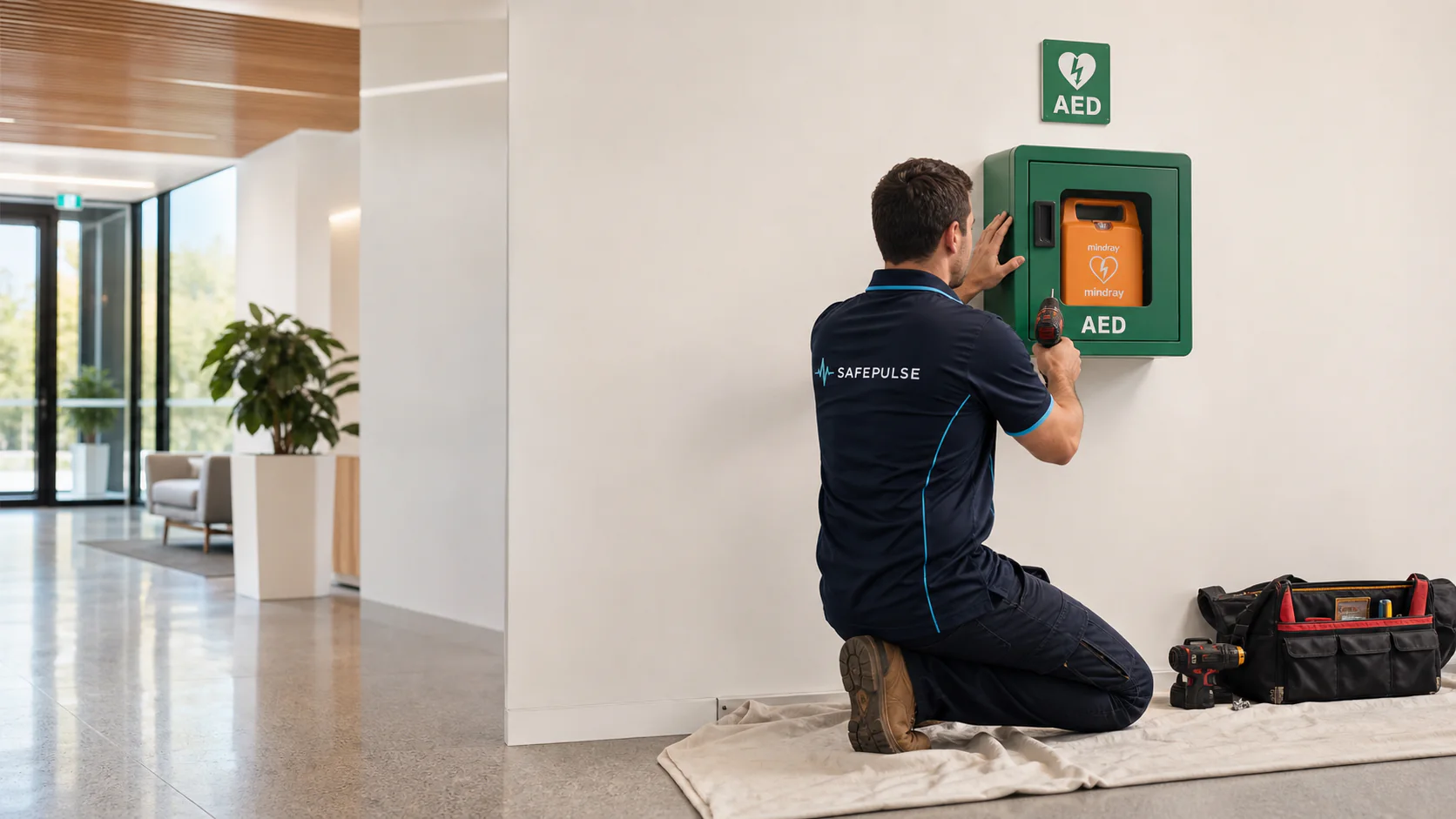
What Happens During an AED Installation? Step-By-Step Walkthrough
A simple look at what happens on installation day and what to expect from our team.
Read article arrow_forward